
The Ultimate Guide to Custom Puffer Tote Bags (2026): Materials, Logo Methods, MOQ & Wholesale
QUICK ANSWER
| Question | Answer |
|---|---|
| What are custom puffer tote bags? | Quilted insulated tote bags customized with logo, color, fabric, and packaging for retail, eCommerce, and promotional use. |
| MOQ | 200–500 pcs per design |
| Sample time | 5–7 days |
| Bulk production | 25–35 days |
| Best materials | Recycled nylon / polyester / taslan / RPET |
| Best logo methods | Silicone patch / embroidery / screen printing |
| Best buyers | Retail brands / Shopify stores / corporate gifting / Amazon sellers |
1. Why Custom Puffer Tote Bags Are Growing Fast (2026 Market Insight)
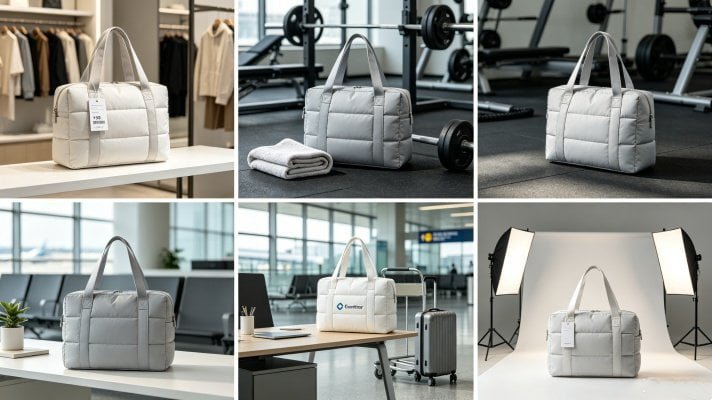
Custom puffer tote bags are now widely used in:
- Fashion retail brands
- Corporate gifting programs
- Gym & wellness brands
- Travel & lifestyle brands
- Shopify & Amazon sellers
They are popular because they combine:
✔ Lightweight structure
✔ Modern fashion look
✔ High branding visibility
✔ Low production cost at scale
2. What Materials Are Best for Custom Puffer Tote Bags?
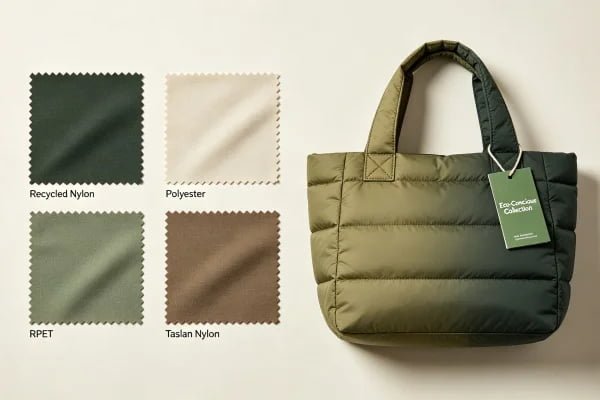
Best Materials Comparison Table
| Material | Features | Best For | Pros | Cons |
|---|---|---|---|---|
| Recycled Nylon | Lightweight, water-resistant1 | Retail & fashion brands | Premium look, durable | Higher cost |
| Polyester | Cost-effective, stable | Promotional products | Cheap, widely available | Less premium feel |
| Taslan Nylon | Smooth, soft texture | Fashion brands | High-end feel | Limited color options |
| RPET Recycled Fabric2 | Eco-friendly material | Sustainable brands | Green branding advantage | Slightly higher MOQ |
3. How to Choose the Best Logo Method for Custom Puffer Tote Bags
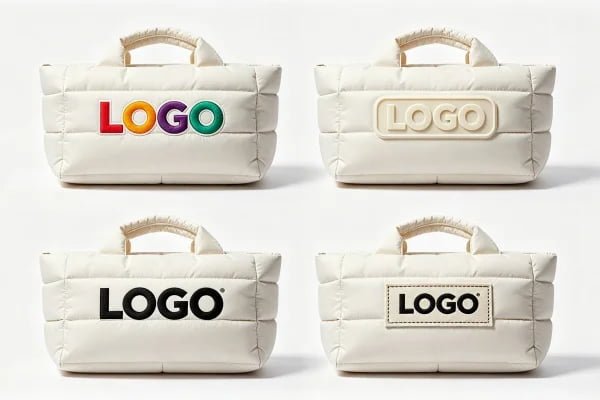
Logo Methods Comparison
| Method | Best Use | Durability | Cost | Best For |
|---|---|---|---|---|
| Silk Screen Printing3 | Simple logos | High | Low | Promotional bags / Amazon |
| Embroidery | Premium branding | Medium | Medium | Retail fashion brands |
| Silicone Patch | Luxury branding | Very High | Higher | High-end DTC brands |
4. What Is the MOQ for Custom Puffer Tote Bags?
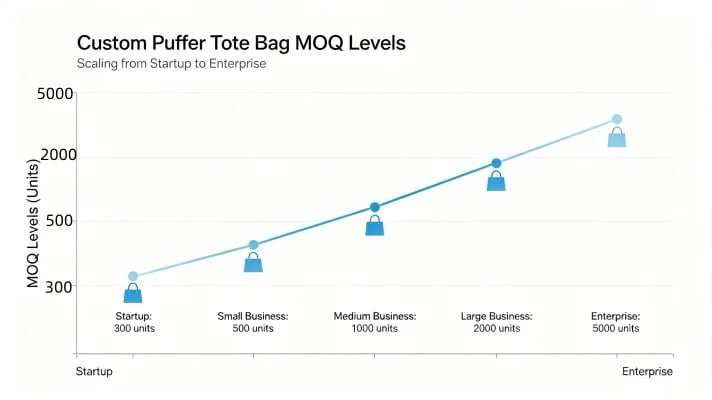
MOQ Explanation Table
| Order Size | Type of Buyer | Result |
|---|---|---|
| 200–300 pcs | Startups / Shopify brands | Best balance of cost and customization |
| 500–1000 pcs | Retail brands | Best pricing efficiency |
| 1000+ pcs | Large brands | Lowest unit cost |
⚠️ Important Insight
Very low MOQ often means:
- Higher price per unit4
- Limited customization
- Slower scaling later
5. Manufacturing Process
Custom puffer tote bags follow 5 steps:
- Material selection
- Sample making (5–7 days)
- Logo application
- Cutting & stitching
- Quality inspection & packing
Production time: 25–35 days
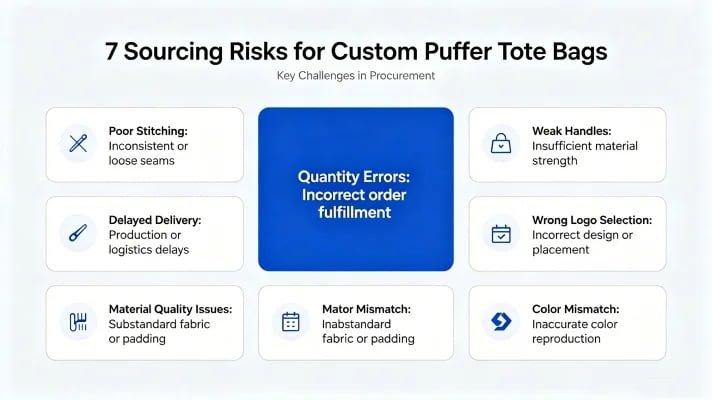
6. 7 Procurement Risks You Must Avoid
| Risk | Impact |
|---|---|
| Choosing cheapest supplier | Low quality, high return rate |
| Wrong logo method | Peeling or fading logos |
| No sample approval | Mass production errors |
| Weak stitching | Handle breakage |
| No load testing | Durability failure |
| No certification | Import compliance risk5 |
| No communication support | Production delays |
7. Frequently Asked Questions (FAQ)
Q1: Can I customize color and logo fully?
Yes, full OEM customization is available including fabric, lining, zipper, logo, and packaging.
Q2: What is the best logo method for retail brands?
Silicone patch or embroidery gives the best balance of durability and premium look.
Q3: How long does production take?
Usually 25–35 days after sample approval.
Q4: Can I order small MOQ for testing?
Yes, 200 pcs MOQ is possible for market testing.
Q5: Do you support Amazon / Shopify sellers?
Yes, we support FBA labeling, barcode, and packaging customization.
8. Related Cluster Topics
Explore More Guides:
- Custom Puffer Tote Bag Manufacturer Guide
- Wholesale Puffer Tote Bags Pricing Guide
- A Sourcing Guide for Retailers
- 2026 Puffer Tote Bags Explained for Enterprise eCommerce & Retail Brands
- How to Customize Logo on Puffer Bags
- Nylon vs. Polyester
- Puffer Tote Bag Cost Breakdown
- Best Selling Puffer Tote Bag Designs 2026
- 5 Manufacturing Details That Reduce Returns For Puffer Tote Bag
9. Call to Action
Ready to Develop Your Custom Puffer Tote Bags? Contact Kai Bags Today Get:
✔ Free material recommendation
✔ 12-hour quotation
✔ Free sample guidance
✔ OEM/ODM support
👉 WhatsApp Factory Team: https://wa.me/8613867943946
"Water-Repellent and UV-Resistant Properties of Polyester Fabric ...", https://pmc.ncbi.nlm.nih.gov/articles/PMC12138703/. Nylon fibers demonstrate water-resistant characteristics due to their low moisture regain rate (typically 3-5%) and hydrophobic polyamide molecular structure, properties retained in recycled nylon materials. Evidence role: mechanism; source type: research. Supports: confirms that nylon (polyamide) fibers exhibit inherent water-resistant properties due to their molecular structure. Scope note: Water resistance refers to the fiber's inherent properties; actual bag performance also depends on fabric weave density and any additional treatments applied. ↩
"Occurrence, toxicity and remediation of polyethylene terephthalate ...", https://pmc.ncbi.nlm.nih.gov/articles/PMC8755403/. RPET (recycled polyethylene terephthalate) production reduces energy consumption by approximately 30-50% and greenhouse gas emissions by up to 60% compared to virgin polyester manufacturing, according to lifecycle assessment studies. Evidence role: general_support; source type: research. Supports: confirms environmental advantages of RPET compared to virgin polyester production. Scope note: Environmental benefits depend on collection systems, recycling processes, and transportation distances; RPET still involves synthetic material with end-of-life disposal considerations. ↩
"Screen Printing of pH-Responsive Dye to Textile - PMC", https://pmc.ncbi.nlm.nih.gov/articles/PMC8915174/. Screen printing on textiles achieves high durability through ink penetration into fabric fibers and heat-curing processes, typically withstanding 40-50 industrial wash cycles when properly applied with appropriate ink formulations. Evidence role: mechanism; source type: research. Supports: explains durability characteristics of screen printing on textile substrates. Scope note: Durability varies significantly based on ink type, curing method, fabric substrate, and usage conditions; the rating reflects optimal application conditions. ↩
"Economies of scale - Wikipedia", https://en.wikipedia.org/wiki/Economies_of_scale. Manufacturing unit costs decrease with order quantity due to fixed setup costs (tooling, sampling, quality setup) being amortized across more units, a principle known as economies of scale in production economics. Evidence role: mechanism; source type: education. Supports: explains the economic relationship between order quantity and unit cost in manufacturing. Scope note: This explains the general economic principle; the magnitude of price reduction varies by product type, manufacturing process complexity, and supplier cost structure. ↩
"Special Documents - International Trade Administration", https://www.trade.gov/special-documents. Import regulations in many jurisdictions require specific product certifications (safety, material composition, testing standards) for textile consumer goods; absence of required documentation can result in customs delays, additional inspections, or entry denial. Evidence role: general_support; source type: government. Supports: confirms that product certifications affect import compliance in international trade. Scope note: Specific certification requirements vary significantly by destination country, product category, and intended use; this describes general compliance principles rather than specific regulatory requirements. ↩
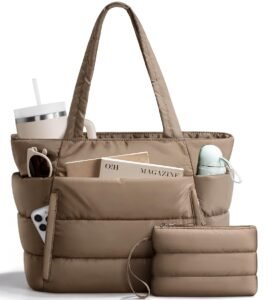
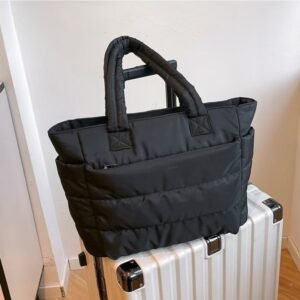
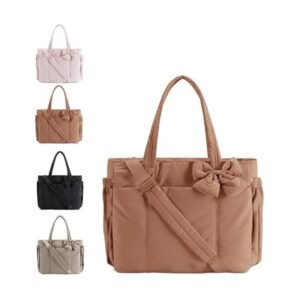
[…] 👜 Tote Bags ☁️ Puffer Tote Bags […]