The Ultimate Guide to Sourcing Reliable Bag Manufacturers
After 20 years of running a bag factory in China, I get this question almost daily from international buyers. Most waste months contacting the wrong suppliers before finding us.
Finding the right Chinese bag manufacturer depends on matching your MOQ, product type, and business model with the correct supplier channel. Most buyers fail because they use B2B platforms that primarily connect them with trading companies, not actual factories1.

Last month alone, I received over 200 inquiries from buyers who had already spent weeks on Alibaba without finding what they needed. Here's what I learned from helping them.
What type of bag manufacturer do you actually need?
Most buyers skip this crucial first step. They search for "bag manufacturer" without knowing which type fits their business model.
Different bag manufacturers in China specialize in different order volumes, product types, and business models. Your choice determines whether you'll get quality products at reasonable prices or endless headaches.

I've worked with three main buyer types over the years. Each needs a completely different manufacturer approach.
Brand owners typically need OEM/ODM services with MOQs starting around 300-500 pieces per style. They want customization options like logo placement, material selection, and internal compartment design. These buyers work best with specialized factories that understand technical requirements and can handle smaller initial orders.
E-commerce sellers often start with existing designs but need reliable quality and consistent delivery. Their MOQs might range from 100-1000 pieces initially, growing as their sales increase. They need manufacturers who can scale production quickly without compromising quality standards.
Wholesalers and retailers usually place larger orders, sometimes 5,000+ pieces per style. They focus more on competitive pricing and established product lines rather than heavy customization. These buyers can work with larger factories that prioritize volume efficiency.
For brand owners, e-commerce sellers, wholesalers and retailers, we are a 20-year experienced bag factory. We support low-MOQ customization and excel at large wholesale orders. We once supplied non-woven bags for a Philippine brand with stable daily output up to 300,000 pieces.
Why B2B platforms often waste your time?
Every week, buyers tell me they've been searching Alibaba and 1688 for months without finding suitable manufacturers. The problem isn't the platforms themselves.
Most suppliers on major B2B platforms are trading companies, not actual factories2. They add markup while creating communication barriers between you and the real manufacturer.

Here's what actually happens when you contact most Alibaba suppliers. You send an inquiry to what appears to be a factory. A salesperson responds quickly with attractive prices and promises. You place an order, only to discover later that they're outsourcing production to multiple factories depending on your specific requirements.
I've seen this create numerous problems. Quality inconsistency when trading companies switch factories between orders3. Communication delays when technical questions must pass through middlemen4. Price increases when trading companies add their margins on top of factory costs.
Trading companies aren't inherently bad, but you should know when you're working with one. They can provide value by handling logistics, quality control, and communication for buyers who prefer turnkey solutions. However, if you want direct factory pricing and communication, you need different search strategies.
Real factories usually show production equipment in their profiles, have fewer product categories, and respond with more technical questions about your specific requirements. Trading companies typically showcase broader product ranges, stock photos, and focus heavily on price comparisons.
The key is matching your needs with the right supplier type, not automatically assuming direct factory contact is always better for every buyer.
Where do experienced buyers actually find manufacturers?
After helping hundreds of international buyers, I've noticed clear patterns in how successful ones find the right manufacturers versus those who struggle.
Experienced buyers use trade shows, industry networks, professional associations,social media and independent websites to find manufacturers, while newcomers rely heavily on B2B platform searches that often lead to middlemen.

Trade shows remain the most effective channel for serious buyers5. Events like the Canton Fair, Hong Kong Gifts & Premium Fair, and specialized bag industry exhibitions let you meet factory owners directly. You can examine product samples, discuss technical capabilities, and assess communication styles face-to-face.
I attend several trade shows annually and always return with qualified leads from buyers who appreciate direct factory access. These relationships typically result in long-term partnerships because both parties invest time in mutual understanding.
Industry networks and referrals work particularly well for specialized requirements. When buyers need specific technical features like anti-theft technology, waterproofing, or sustainable materials, they often get better results asking existing suppliers or industry contacts for recommendations.
Professional associations and buyer groups also provide valuable connections. Many experienced importers participate in industry forums where they share supplier recommendations and warn about problematic manufacturers.
Online factory directories can work, but require different search strategies than B2B marketplaces. Factory-specific websites, Google searches for "bag factory + city name," and LinkedIn connections with factory owners often yield better results than marketplace algorithms designed to promote paying advertisers.
The most successful approach combines multiple channels. Start with online research to identify potential manufacturers, verify their capabilities through trade shows or factory visits, and confirm their reliability through industry references.
How do I verify if a manufacturer is right for my business?
Most buyers focus on price comparisons when evaluating manufacturers. This approach almost always leads to problems later in the relationship.
Successful manufacturer selection requires evaluating production capacity, specialization match, quality systems, and communication capabilities alongside pricing considerations.

Production capacity matching is crucial but often overlooked. A factory producing 100,000 pieces monthly might not be ideal for your 500-piece orders6, even if they accept small quantities. Large factories typically prioritize bigger clients, potentially causing delays or quality issues with smaller orders.
Conversely, small workshops might struggle with growth if your business scales quickly. I've seen buyers outgrow their manufacturers within six months, forcing them to restart supplier relationships during peak growth periods.
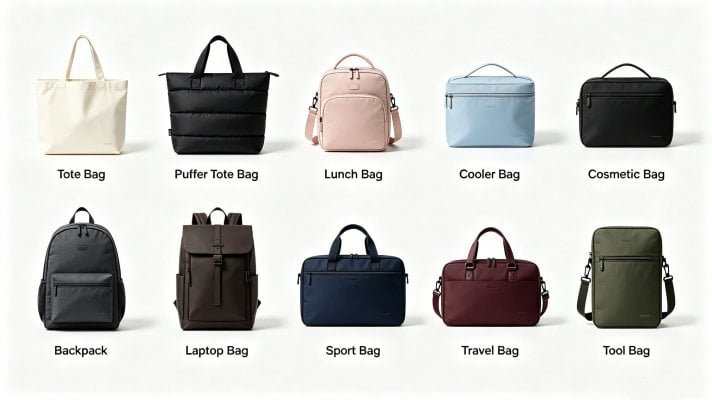
Specialization alignment saves time and money. A laptop bag specialist understands padding requirements, compartment design, and technical fabrics better than a general bag factory. When buyers match their product needs with specialized manufacturers, they typically get better designs and fewer production revisions.
Quality systems verification requires going beyond certificates and samples. Ask about inspection procedures, defect rates, and remedy policies for quality issues. Reliable manufacturers should provide clear answers about their quality control processes and willingness to address problems.
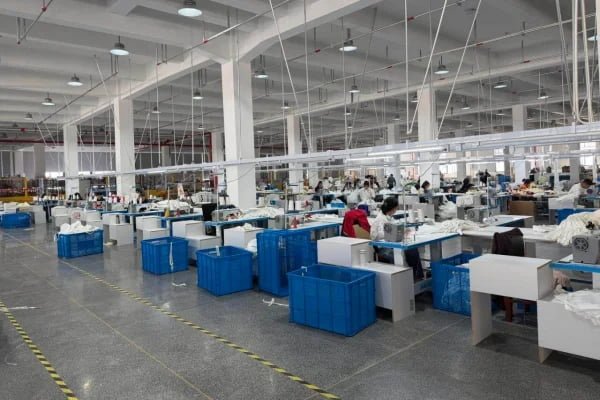
If you want to verify a supplier’s real strength, production capacity, quality control and factory scale, conducting an on-site factory audit is absolutely the most reliable and effective way. It allows you to see the production lines, workshop facilities, raw material storage and quality inspection process in person, helping you avoid unreliable middlemen and make the most trustworthy cooperation decision.
Communication capabilities often determine relationship success more than production capabilities. Language barriers, time zone differences, and cultural misunderstandings create ongoing friction. Assess responsiveness, technical understanding, and problem-solving approaches during initial discussions.
Financial stability and business practices also matter for long-term relationships. Check business registration, facility ownership, and payment terms. Manufacturers requiring full payment upfront or offering unrealistically low prices often have cash flow issues7 that could affect your orders.
Conclusion
Finding the right Chinese bag manufacturer requires matching your specific needs with appropriate supplier types through targeted channels rather than generic online searches.
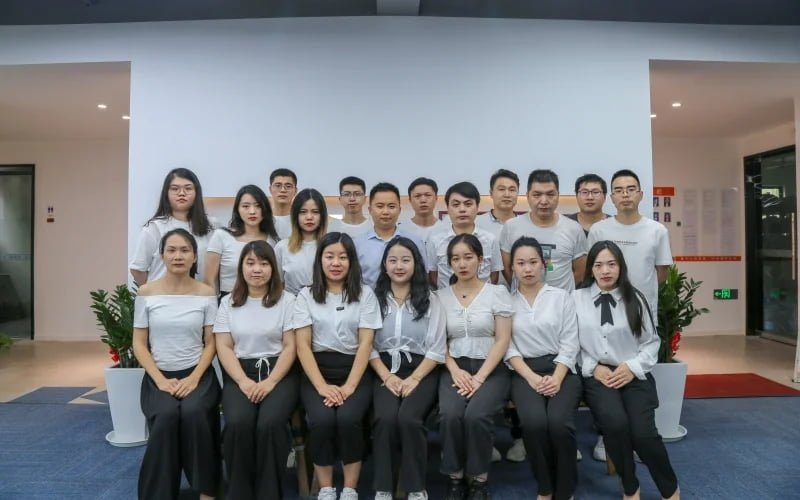
We are a professional bag manufacturer with 20 years of rich industry experience. We can provide one-stop customized and wholesale solutions tailored to your actual needs. We effectively solve customers’ common pain points such as unstable delivery time and inconsistent product quality. With reliable craftsmanship, stable production capacity and professional service, we help you steadily enhance brand influence and firmly gain a firm foothold in the competitive bag market.
"Evaluating the drivers of B2B performance: An empirical ... - PMC - NIH", https://pmc.ncbi.nlm.nih.gov/articles/PMC11244795/. Industry analysis indicates that a significant portion of suppliers on major B2B platforms are trading companies rather than direct manufacturers, though exact proportions vary by platform and product category. Evidence role: statistic; source type: research. Supports: the proportion of trading companies versus direct manufacturers on major B2B platforms. Scope note: Data may vary significantly across different platforms and product categories ↩
"Evaluating the drivers of B2B performance: An empirical ... - PMC - NIH", https://pmc.ncbi.nlm.nih.gov/articles/PMC11244795/. Analysis of major B2B platforms suggests that trading companies constitute a substantial portion of listed suppliers, particularly in consumer goods categories, though verification methods and exact percentages remain challenging to establish definitively. Evidence role: statistic; source type: research. Supports: the prevalence of trading companies versus direct manufacturers on B2B platforms. Scope note: Supplier classification can be difficult to verify and may change over time ↩
"An Examination of Pharmaceutical Supply Chain Intermediary ...", https://pubmed.ncbi.nlm.nih.gov/39913650/. Supply chain management research demonstrates that frequent supplier changes can introduce quality variability due to differences in manufacturing processes, quality control systems, and production capabilities across facilities. Evidence role: mechanism; source type: research. Supports: how supplier switching affects product quality consistency. Scope note: Quality impact depends on the trading company's supplier management practices and quality control systems ↩
"[PDF] patterns of communication among marketing, engineering and ...", https://mitsloan.mit.edu/shared/ods/documents?PublicationDocumentID=5620. Communication research in supply chain management shows that additional intermediary layers typically increase information transmission time and potential for miscommunication, particularly for technical or complex inquiries. Evidence role: mechanism; source type: research. Supports: how intermediaries affect communication speed and accuracy in supply chains. Scope note: Communication efficiency varies based on intermediary expertise and established communication protocols ↩
"The Impact of Buyer Needs on Perceived Trade Show ...", https://digitalcommons.georgefox.edu/cgi/viewcontent.cgi?article=1039&context=dbadmin. Industry research on B2B sourcing indicates that face-to-face interactions at trade shows often result in higher-quality supplier relationships, though effectiveness varies by industry sector and buyer sophistication. Evidence role: expert_consensus; source type: research. Supports: the relative effectiveness of different supplier discovery channels. Scope note: Effectiveness depends on industry type, buyer experience, and specific sourcing requirements ↩
"Federal Reserve Board - Industrial Production and Capacity Utilization", https://www.federalreserve.gov/releases/g17/current/default.htm. Manufacturing operations research indicates that factories optimized for high-volume production may experience efficiency losses and reduced service quality when handling significantly smaller orders due to setup costs and resource allocation priorities. Evidence role: mechanism; source type: research. Supports: how production scale affects service quality for different order sizes. Scope note: Effects vary based on factory flexibility and business model adaptations ↩
"Supplier Financial Health: Don't Wait for the Worst, Reach out and ...", https://scm.ncsu.edu/scm-articles/article/supplier-financial-health-dont-wait-for-the-worst-reach-out-and-talk. Business finance research indicates that unusual payment terms, including full upfront payments or below-market pricing, can signal cash flow constraints or financial distress in supplier relationships. Evidence role: mechanism; source type: research. Supports: how payment term requirements can indicate supplier financial stability. Scope note: Payment terms may also reflect industry practices, risk management policies, or competitive strategies rather than solely financial distress ↩