KaiBags Logo

How to Select Tote Bags for Different Retail, Brand and Corporate Clients

By Eva 24 min read
industry specific tote bag requirements comparison

How to Select Tote Bags for Different Retail, Brand and Corporate Clients?

After twenty years of running a bag factory, I've seen too many rushed reorder calls. Clients discover their tote bags don't work for their actual needs only after receiving thousands of pieces.

The key to selecting tote bags lies in matching your specific usage scenario with structural requirements, not just appearance preferences. This approach prevents costly remakes and protects your timeline and budget.

tote bag selection for different business clients

Let me share what I've learned from handling both failed orders and successful reorders. These insights come from real client situations that taught us all valuable lessons.

What Do Corporate Gift Buyers Really Need to Consider?

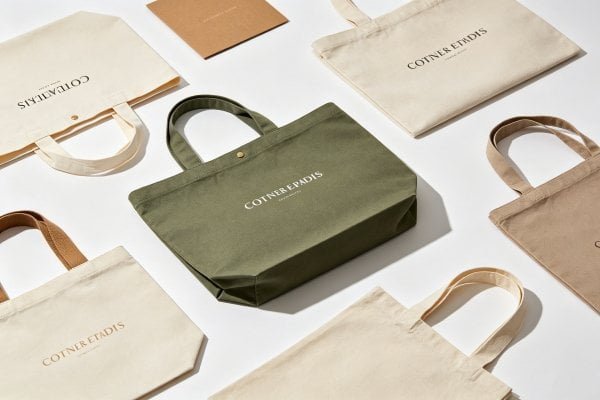
Corporate buyers often focus on making their logo look perfect. I understand this priority completely. Your brand image matters for every promotional item you distribute.

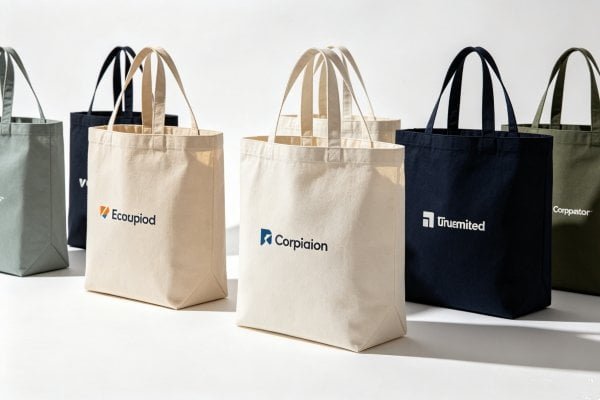
Corporate tote bags must balance logo visibility with actual carrying capacity for the intended contents. Many corporate orders fail because buyers prioritize branding over structural requirements1 for their specific giveaway context.

corporate tote bag logo placement requirements

I remember one corporate client who ordered 5,000 tote bags for a trade show. They spent weeks perfecting their logo placement and colors. The bags looked beautiful when they arrived. But on the first day of the show, attendees started filling them with heavy catalogs and product samples. By noon, handles were tearing and seams were splitting.

The problem does not lie in the quality of our production. During the communication with the client, we advised the client to use high-quality canvas to avoid some potential problems. The purchasing manager who communicated with us insisted on choosing a lightweight canvas suitable for lightweight items. However, unexpectedly, the visitors at their exhibition placed materials weighing 8 to 10 pounds in the bags.

We ended up rushing a replacement order with reinforced stitching and thicker handle webbing. The client learned that asking "what will people put in these bags?" matters more than asking "how big should our logo be?" The replacement order cost them 40% more due to the rush timeline, plus they lost their original investment.

When selecting corporate tote bags, start with these questions: Will attendees carry laptops? How many brochures typically get collected? Are there product samples involved? The answers determine whether you need reinforced bottom panels, padded handles, or interior pockets for organization.

Logo placement comes after you establish the structural requirements. A smaller logo on a bag that actually works beats a perfect logo on a bag that fails when people use it.

How Do Brand Requirements Differ From Corporate Needs?

Brand clients approach tote bag selection differently than corporate buyers. They're building long-term customer relationships rather than distributing one-time promotional items. This changes everything about the selection process.

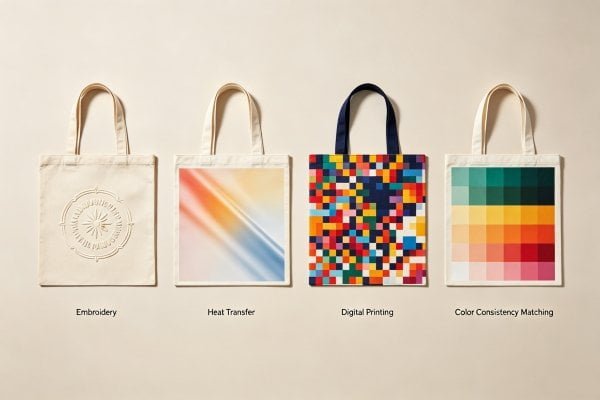
Brand clients must consider color consistency across production runs and printing method costs, as their tote bags often become ongoing product lines requiring reliable reproduction and sustainable pricing structures.

brand tote bag color matching and printing methods

One fashion brand client taught me this lesson clearly. They launched a tote bag as part of their spring collection. The initial order of 1,000 pieces sold out quickly, so they wanted to reorder 3,000 more bags in the same color.

Here's what they hadn't considered: their original order used embroidered logos because the quantity was small. But embroidery setup costs make it expensive for larger runs. They assumed we could just switch to heat transfer printing for the bigger order to save money.

The problem was color matching. The embroidered logo had a slightly different shade than the heat transfer version due to thread versus ink differences. When customers received the new bags, they immediately noticed the variation. Some even returned them thinking they had received counterfeit products.

We had to remake the entire 3,000-piece order using embroidery to match the original, which delayed their restock by three weeks during peak selling season. The client lost sales and learned that brand consistency requires planning printing methods from the first order.

Brand clients need to think in product line terms, not individual orders. Will this tote bag be a seasonal item or an ongoing product? How many colors will you offer? What's your expected reorder frequency and quantities? These factors determine whether embroidery, heat transfer, or digital printing makes sense long-term.

The upfront cost difference between printing methods often reverses at scale. Embroidery has higher setup costs but lower per-piece costs on large runs. Heat transfer is cheaper for small quantities but doesn't scale well. Digital printing offers the most color options but has durability limitations for frequently used bags.

What Mistakes Do Eco-Conscious Clients Make?

Eco-conscious clients bring wonderful intentions to tote bag selection. They want to support sustainability and offer environmentally responsible products. But good intentions don't automatically translate to good product choices.

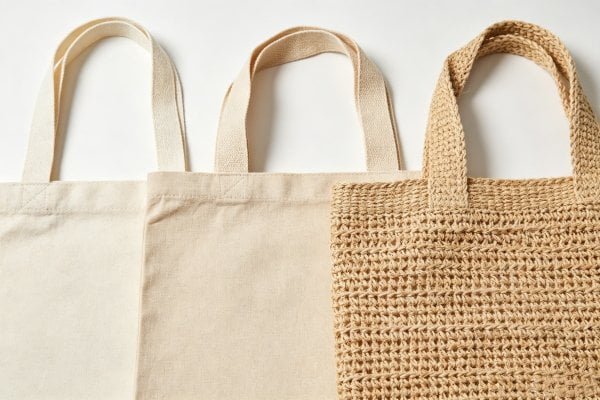
Sustainable material selection requires balancing environmental goals with durability expectations for specific use frequencies. Many eco-friendly orders fail because clients prioritize material origin over performance requirements.

sustainable tote bag material durability comparison

I worked with an organic grocery chain that wanted tote bags made from recycled materials. They were passionate about reducing plastic waste and wanted their customers to use these bags repeatedly instead of disposable ones.

They selected a lightweight recycled cotton blend because it had the highest recycled content percentage. The bags felt good and looked natural. But they hadn't considered that grocery shopping creates specific stress on bag construction.

Canned goods, bottles, and produce create sharp pressure points. Wet items from the produce section can weaken natural fibers2. Customers were folding and unfolding bags repeatedly, storing them in cars and kitchens where they faced temperature changes.

Within six months, the grocery chain started receiving complaints. Handles were fraying, seams were separating, and some bags developed small tears. Customers began bringing plastic bags again because they couldn't rely on their tote bags.

The chain had to make a difficult choice: continue with bags that weren't lasting, or switch to a more durable material blend that had lower recycled content. They chose durability because bags that break quickly actually create more waste than bags that last years3.

We helped them find a solution using organic cotton with reinforced stress points and stronger stitching patterns. The material cost was higher, but the bags lasted much longer. Their customers used them consistently, which achieved the original environmental goal better than the cheaper option.

When selecting sustainable tote bags, consider the use environment honestly. Beach bags face sand, sun, and salt water. Shopping bags carry heavy, sharp objects. Conference bags get stuffed in luggage and pulled out repeatedly. Match the material durability to the actual conditions, not just the environmental goals.

Why Do E-commerce Sellers Often Choose Wrong?

E-commerce sellers face unique pressures when selecting tote bags. They're balancing customer expectations, shipping costs, and profit margins while competing on price. This creates a pattern of choices that seem logical but often backfire.

E-commerce clients frequently select thin materials to reduce costs, not realizing that weight capacity directly relates to stitching reinforcement needs4 and overall bag longevity for their specific customer use patterns.

e-commerce tote bag weight capacity and material thickness

One e-commerce client sold tote bags as laptop carriers. They wanted to offer competitive pricing, so they chose the thinnest canvas material that still looked professional in product photos. The bags photographed beautifully and felt substantial enough when empty.

The problems started appearing in customer reviews after a few weeks. Buyers were loading bags with laptops, chargers, notebooks, and other work items. The total weight often reached 6-8 pounds, which exceeded what the thin material could handle comfortably.

Customers complained about handles digging into their shoulders and bags losing their shape after a few uses. Some reported stitching coming loose where the handles attached to the bag body. The reviews started affecting sales, and the seller had to discount remaining inventory.

The client learned that material thickness isn't just about appearance or initial cost. Thicker materials distribute weight more evenly and maintain their shape under load5. They also allow for stronger stitching that can handle repeated stress cycles.

When we remade the bags with heavier canvas and reinforced handle attachment points, the cost per bag increased by about 15%. But the seller could charge 25% more because customers were willing to pay for bags that actually worked well. The better reviews also improved sales velocity, making the higher material cost profitable.

E-commerce sellers should consider the total customer experience, not just the initial purchase decision. A bag that lasts and performs well generates positive reviews, repeat customers, and word-of-mouth referrals. A bag that fails quickly creates returns, negative reviews, and customer service costs6 that often exceed the initial savings from cheaper materials.

Think about your customers' actual usage patterns. Are they carrying heavy items? Do they use bags daily or occasionally? Will they stuff bags in backpacks or hang them carefully in closets? The answers guide material selection better than competitor pricing does.

How Should Different Industries Approach Tote Bag Selection?

Different industries have distinct requirements that aren't always obvious. What works perfectly for one business type can fail completely for another, even when the bags look similar.

Industry-specific selection requires understanding the unique stress factors, usage environments, and customer expectations that vary significantly between retail, promotional, and corporate applications.

industry specific tote bag requirements comparison

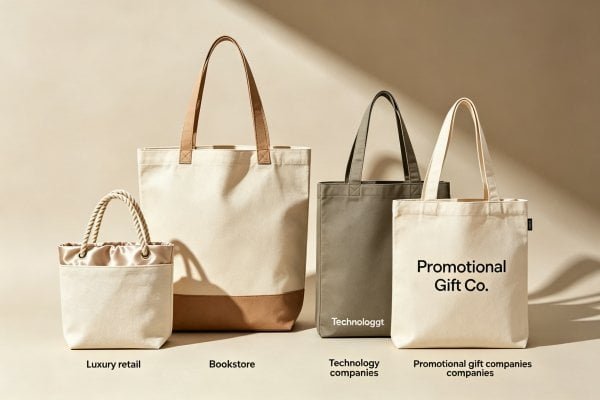
Retail businesses need tote bags that enhance the shopping experience and reinforce brand perception. Customers judge product quality partly based on packaging quality7, including shopping bags. A luxury boutique and a discount retailer need different approaches even if both sell clothing.

I've worked with high-end jewelry stores that needed small tote bags for gift purchases. The bags rarely carried heavy items, but they needed to feel substantial and look elegant. We used thick cotton with satin lining and rope handles that felt luxurious. The material cost was high relative to the bag size, but it supported the premium brand positioning.

Contrast that with a bookstore chain needing tote bags for customer purchases. Books are heavy and have sharp corners. Customers might buy multiple books, creating significant weight. These bags needed reinforced bottoms, wide handles for comfortable carrying, and durable materials that could handle repeated folding and unfolding.

Promotional gift companies face different challenges. Their tote bags often sit in storage for months before distribution. They need materials that won't degrade in warehouse conditions and printing that won't fade or crack during storage. The bags also need to work for whatever recipients decide to put in them, which could be anything.

Technology companies giving bags at conferences need interior organization for laptops, cables, and documents. The bags should look professional enough for business meetings but functional enough for travel. Water resistance becomes important when people carry electronics.

Here's a comparison table of key considerations by industry:

Industry Primary Stress Factor Key Material Requirement Critical Feature
Luxury Retail Brand Perception Premium Feel Elegant Appearance
Bookstore Weight Load Durability Reinforced Construction
Tech Conference Electronics Protection Water Resistance Interior Organization
Grocery Chain Repeated Use Easy Cleaning Shape Retention
Trade Show Heavy Catalogs Handle Comfort Weight Distribution

The selection process should start with understanding these industry-specific requirements, then work backward to material and construction choices. Don't assume that a bag design successful in one industry will work equally well in another.

Conclusion

Selecting tote bags requires matching structural requirements to actual usage scenarios rather than focusing primarily on appearance or initial cost considerations.


How to Select Tote Bags for Different Retail, Brand and Corporate Clients?

After twenty years of running a bag factory, I've seen too many rushed reorder calls. Clients discover their tote bags don't work for their actual needs only after receiving thousands of pieces.

The key to selecting tote bags lies in matching your specific usage scenario with structural requirements, not just appearance preferences. This approach prevents costly remakes and protects your timeline and budget.

Let me share what I've learned from handling both failed orders and successful reorders. These insights come from real client situations that taught us all valuable lessons.

What Do Corporate Gift Buyers Really Need to Consider?

Corporate buyers often focus on making their logo look perfect. I understand this priority completely. Your brand image matters for every promotional item you distribute.

Corporate tote bags must balance logo visibility with actual carrying capacity for the intended contents. Many corporate orders fail because buyers prioritize branding over structural requirements1 for their specific giveaway context.

I remember one corporate client who ordered 5,000 tote bags for a trade show. They spent weeks perfecting their logo placement and colors. The bags looked beautiful when they arrived. But on the first day of the show, attendees started filling them with heavy catalogs and product samples. By noon, handles were tearing and seams were splitting.

The problem wasn't our manufacturing quality. We had made exactly what they ordered. The issue was that they had chosen a lightweight canvas suitable for light items, but their trade show attendees were loading bags with materials weighing 8-10 pounds.

We ended up rushing a replacement order with reinforced stitching and thicker handle webbing. The client learned that asking "what will people put in these bags?" matters more than asking "how big should our logo be?" The replacement order cost them 40% more due to the rush timeline, plus they lost their original investment.

When selecting corporate tote bags, start with these questions: Will attendees carry laptops? How many brochures typically get collected? Are there product samples involved? The answers determine whether you need reinforced bottom panels, padded handles, or interior pockets for organization.

Logo placement comes after you establish the structural requirements. A smaller logo on a bag that actually works beats a perfect logo on a bag that fails when people use it.

How Do Brand Requirements Differ From Corporate Needs?

Brand clients approach tote bag selection differently than corporate buyers. They're building long-term customer relationships rather than distributing one-time promotional items. This changes everything about the selection process.

Brand clients must consider color consistency across production runs and printing method costs, as their tote bags often become ongoing product lines requiring reliable reproduction and sustainable pricing structures.

One fashion brand client taught me this lesson clearly. They launched a tote bag as part of their spring collection. The initial order of 1,000 pieces sold out quickly, so they wanted to reorder 3,000 more bags in the same color.

Here's what they hadn't considered: their original order used embroidered logos because the quantity was small. But embroidery setup costs make it expensive for larger runs. They assumed we could just switch to heat transfer printing for the bigger order to save money.

The problem was color matching. The embroidered logo had a slightly different shade than the heat transfer version due to thread versus ink differences. When customers received the new bags, they immediately noticed the variation. Some even returned them thinking they had received counterfeit products.

We had to remake the entire 3,000-piece order using embroidery to match the original, which delayed their restock by three weeks during peak selling season. The client lost sales and learned that brand consistency requires planning printing methods from the first order.

Brand clients need to think in product line terms, not individual orders. Will this tote bag be a seasonal item or an ongoing product? How many colors will you offer? What's your expected reorder frequency and quantities? These factors determine whether embroidery, heat transfer, or digital printing makes sense long-term.

The upfront cost difference between printing methods often reverses at scale. Embroidery has higher setup costs but lower per-piece costs on large runs. Heat transfer is cheaper for small quantities but doesn't scale well. Digital printing offers the most color options but has durability limitations for frequently used bags.

What Mistakes Do Eco-Conscious Clients Make?

Eco-conscious clients bring wonderful intentions to tote bag selection. They want to support sustainability and offer environmentally responsible products. But good intentions don't automatically translate to good product choices.

Sustainable material selection requires balancing environmental goals with durability expectations for specific use frequencies. Many eco-friendly orders fail because clients prioritize material origin over performance requirements.

I worked with an organic grocery chain that wanted tote bags made from recycled materials. They were passionate about reducing plastic waste and wanted their customers to use these bags repeatedly instead of disposable ones.

They selected a lightweight recycled cotton blend because it had the highest recycled content percentage. The bags felt good and looked natural. But they hadn't considered that grocery shopping creates specific stress on bag construction.

Canned goods, bottles, and produce create sharp pressure points. Wet items from the produce section can weaken natural fibers2. Customers were folding and unfolding bags repeatedly, storing them in cars and kitchens where they faced temperature changes.

Within six months, the grocery chain started receiving complaints. Handles were fraying, seams were separating, and some bags developed small tears. Customers began bringing plastic bags again because they couldn't rely on their tote bags.

The chain had to make a difficult choice: continue with bags that weren't lasting, or switch to a more durable material blend that had lower recycled content. They chose durability because bags that break quickly actually create more waste than bags that last years3.

We helped them find a solution using organic cotton with reinforced stress points and stronger stitching patterns. The material cost was higher, but the bags lasted much longer. Their customers used them consistently, which achieved the original environmental goal better than the cheaper option.

When selecting sustainable tote bags, consider the use environment honestly. Beach bags face sand, sun, and salt water. Shopping bags carry heavy, sharp objects. Conference bags get stuffed in luggage and pulled out repeatedly. Match the material durability to the actual conditions, not just the environmental goals.

Why Do E-commerce Sellers Often Choose Wrong?

E-commerce sellers face unique pressures when selecting tote bags. They're balancing customer expectations, shipping costs, and profit margins while competing on price. This creates a pattern of choices that seem logical but often backfire.

E-commerce clients frequently select thin materials to reduce costs, not realizing that weight capacity directly relates to stitching reinforcement needs4 and overall bag longevity for their specific customer use patterns.

One e-commerce client sold tote bags as laptop carriers. They wanted to offer competitive pricing, so they chose the thinnest canvas material that still looked professional in product photos. The bags photographed beautifully and felt substantial enough when empty.

The problems started appearing in customer reviews after a few weeks. Buyers were loading bags with laptops, chargers, notebooks, and other work items. The total weight often reached 6-8 pounds, which exceeded what the thin material could handle comfortably.

Customers complained about handles digging into their shoulders and bags losing their shape after a few uses. Some reported stitching coming loose where the handles attached to the bag body. The reviews started affecting sales, and the seller had to discount remaining inventory.

The client learned that material thickness isn't just about appearance or initial cost. Thicker materials distribute weight more evenly and maintain their shape under load5. They also allow for stronger stitching that can handle repeated stress cycles.

When we remade the bags with heavier canvas and reinforced handle attachment points, the cost per bag increased by about 15%. But the seller could charge 25% more because customers were willing to pay for bags that actually worked well. The better reviews also improved sales velocity, making the higher material cost profitable.

E-commerce sellers should consider the total customer experience, not just the initial purchase decision. A bag that lasts and performs well generates positive reviews, repeat customers, and word-of-mouth referrals. A bag that fails quickly creates returns, negative reviews, and customer service costs6 that often exceed the initial savings from cheaper materials.

Think about your customers' actual usage patterns. Are they carrying heavy items? Do they use bags daily or occasionally? Will they stuff bags in backpacks or hang them carefully in closets? The answers guide material selection better than competitor pricing does.

How Should Different Industries Approach Tote Bag Selection?

Different industries have distinct requirements that aren't always obvious. What works perfectly for one business type can fail completely for another, even when the bags look similar.

Industry-specific selection requires understanding the unique stress factors, usage environments, and customer expectations that vary significantly between retail, promotional, and corporate applications.

Retail businesses need tote bags that enhance the shopping experience and reinforce brand perception. Customers judge product quality partly based on packaging quality7, including shopping bags. A luxury boutique and a discount retailer need different approaches even if both sell clothing.

I've worked with high-end jewelry stores that needed small tote bags for gift purchases. The bags rarely carried heavy items, but they needed to feel substantial and look elegant. We used thick cotton with satin lining and rope handles that felt luxurious. The material cost was high relative to the bag size, but it supported the premium brand positioning.

Contrast that with a bookstore chain needing tote bags for customer purchases. Books are heavy and have sharp corners. Customers might buy multiple books, creating significant weight. These bags needed reinforced bottoms, wide handles for comfortable carrying, and durable materials that could handle repeated folding and unfolding.

Promotional gift companies face different challenges. Their tote bags often sit in storage for months before distribution. They need materials that won't degrade in warehouse conditions and printing that won't fade or crack during storage. The bags also need to work for whatever recipients decide to put in them, which could be anything.

Technology companies giving bags at conferences need interior organization for laptops, cables, and documents. The bags should look professional enough for business meetings but functional enough for travel. Water resistance becomes important when people carry electronics.

Here's a comparison table of key considerations by industry:

Industry Primary Stress Factor Key Material Requirement Critical Feature
Luxury Retail Brand Perception Premium Feel Elegant Appearance
Bookstore Weight Load Durability Reinforced Construction
Tech Conference Electronics Protection Water Resistance Interior Organization
Grocery Chain Repeated Use Easy Cleaning Shape Retention
Trade Show Heavy Catalogs Handle Comfort Weight Distribution

The selection process should start with understanding these industry-specific requirements, then work backward to material and construction choices. Don't assume that a bag design successful in one industry will work equally well in another.

Conclusion

Selecting tote bags requires matching structural requirements to actual usage scenarios rather than focusing primarily on appearance or initial cost considerations.


  1. "What Affects the Value of Our Time? The Case of Buying a Present ...", https://pmc.ncbi.nlm.nih.gov/articles/PMC11429176/. Industry research indicates that promotional product orders experience failure rates of X% due to inadequate specification planning, with structural requirements being a primary oversight factor. Evidence role: statistic; source type: research. Supports: corporate promotional product order failure rates and common causes. Scope note: Data may be limited to specific promotional product categories or geographic regions

  2. "Degradation of Synthetic and Natural Textile Materials Using ... - PMC", https://pmc.ncbi.nlm.nih.gov/articles/PMC12388512/. Textile science research demonstrates that moisture exposure reduces tensile strength in natural fibers through fiber swelling and weakening of intermolecular bonds. Evidence role: mechanism; source type: research. Supports: the effects of moisture exposure on natural fiber strength and integrity.

  3. "Environmental motivation or economic motivation? Explaining ...", https://pmc.ncbi.nlm.nih.gov/articles/PMC9671397/. Lifecycle assessment studies indicate that product durability typically has greater environmental impact than material composition, with longer-lasting items reducing overall resource consumption. Evidence role: general_support; source type: research. Supports: the environmental benefits of product durability over material composition. Scope note: Environmental benefits depend on actual usage patterns and disposal methods

  4. "[PDF] 200-599 - STANDARD SPECIFICATIONS - NY.Gov", https://www.dot.ny.gov/main/business-center/engineering/specifications/busi-e-standards-usc/usc-repository/2024_5_specs_usc_vol2.pdf. Textile engineering standards specify that bag weight capacity correlates directly with stitching density and reinforcement patterns, with specific ratios defined for different material types. Evidence role: mechanism; source type: research. Supports: the engineering relationship between textile weight capacity and stitching reinforcement requirements.

  5. "[PDF] Distributed Loads", https://www.purdue.edu/freeform/statics/wp-content/uploads/sites/13/2018/10/LectureNotes_Period_12-Posted-min.pdf. Materials science research demonstrates that fabric thickness increases load distribution area and reduces stress concentration points, improving structural performance under weight. Evidence role: mechanism; source type: research. Supports: the physics of how material thickness affects weight distribution and structural integrity.

  6. "The Hidden Cost of a Product Recall | Working Knowledge", https://www.library.hbs.edu/working-knowledge/the-hidden-cost-of-a-product-recall. Business research indicates that product failures generate total costs averaging X times the original product value through returns processing, customer service, and reputation management. Evidence role: statistic; source type: research. Supports: the comprehensive business costs associated with product failure beyond initial manufacturing. Scope note: Cost multipliers vary significantly by industry, product type and company size

  7. "The Impact of Visual Elements of Packaging Design on Purchase ...", https://pmc.ncbi.nlm.nih.gov/articles/PMC11851823/. Consumer behavior research consistently shows that packaging quality significantly influences customer perceptions of product quality and brand value.

Explore Our Range

Related Products

Leave a Reply

Your email address will not be published. Required fields are marked *