Why Are Puffer Tote Bags Suddenly Everywhere?
If you've walked through airports, shopping centers, gyms, coffee shops, or social media recently, you've probably noticed one thing.
Puffer tote bags are everywhere.
But many buyers still ask:
Are puffer tote bags just a fashion trend, or are they becoming a long-term product opportunity?
The answer is both.
Puffer tote bags successfully combine three things modern consumers want:
- Lightweight comfort
- Fashion-forward design
- Everyday functionality
For retailers and brands, they also offer something even more valuable:
High perceived value with excellent customization opportunities.
After manufacturing bags for over 20 years, we've seen puffer tote bags evolve from a niche fashion accessory into a mainstream category for retail, corporate gifting, travel, and lifestyle brands.
In this guide, you'll learn:
✅ What puffer tote bags are
✅ Why consumers love them
✅ The best materials to use
✅ How brands customize them
✅ Common sourcing mistakes to avoid
✅ How to choose a reliable manufacturer
- What Are Puffer Tote Bags?
- Why Are They So Popular?
- Materials Explained
- Most Popular Sizes
- Customization Options
- Industry Applications
- Common Sourcing Mistakes
- How To Choose A Manufacturer
- Buyer Checklist
- FAQ
What Are Puffer Tote Bags?
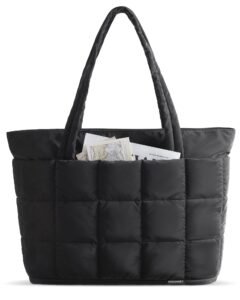
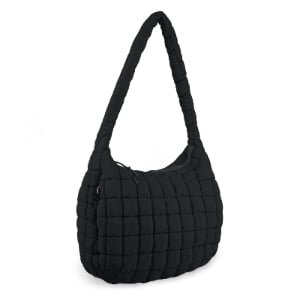
Puffer tote bags are soft, padded tote bags made by quilting an outer fabric with internal filling materials.1
Unlike traditional canvas tote bags, puffer tote bags prioritize comfort, lightweight construction, and modern aesthetics.
Their design is inspired by puffer jackets.
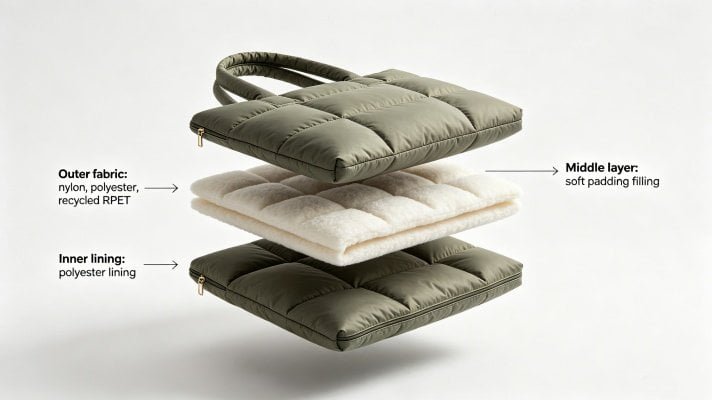
Most puffer tote bags consist of three layers:
Outer Layer
Common materials:
- Nylon
- Polyester
- RPET recycled fabric
Middle Layer
Padding materials:
- Polyester fiberfill
- Cotton filling
- Lightweight recycled padding
Inner Lining
Materials include:
- Polyester lining
- Nylon lining
- RPET lining
This layered construction creates the signature soft and fluffy appearance consumers love.
Why Are Puffer Tote Bags Becoming Best Sellers?
Consumer lifestyles have changed.2
People no longer want bags that only look good.
They want bags that are:
- Lightweight
- Comfortable
- Versatile
- Easy to clean
- Fashionable
Puffer tote bags fit all these needs.
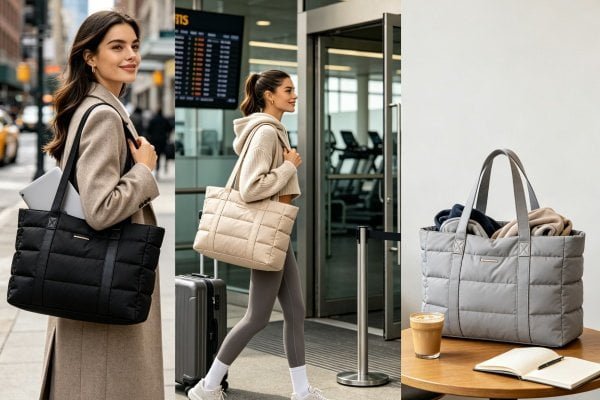
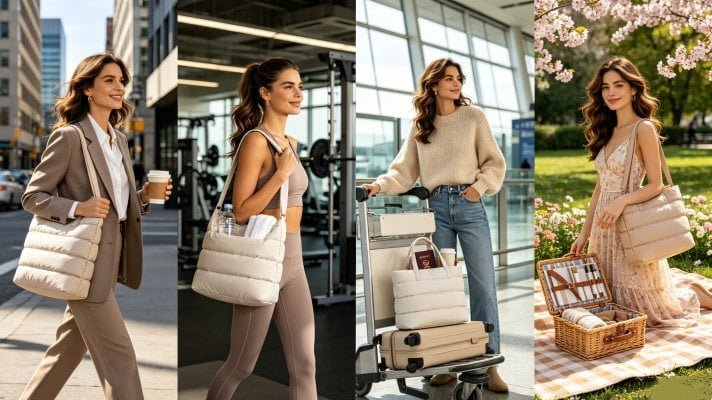
Key Consumer Use Cases
Daily Commute
Carry:
- Laptop
- Water bottle
- Chargers
- Daily essentials
Gym
Carry:
- Shoes
- Towel
- Clothes
- Protein snacks
Travel
Carry:
- Passport
- Tablet
- Cosmetics
- Accessories
Weekend Activities
Carry:
- Picnic items
- Baby essentials
- Personal belongings
The more versatile a bag is, the longer consumers keep using it.
That creates more brand exposure.
CTA: Need Help Choosing The Right Puffer Tote Bag?
Tell us:
- Your industry
- Target market
- Quantity needed
- Budget range
We'll recommend:
✅ Materials
✅ Sizes
✅ Logo methods
✅ Packaging solutions
👉 Get A Free Consultation Within 12 Hours
Which Materials Work Best For Puffer Tote Bags?
Material selection directly affects quality, durability, and pricing.
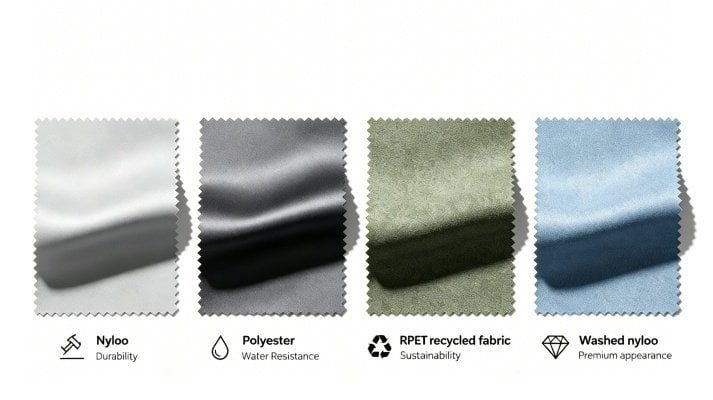
Puffer Tote Bag Material Comparison
| Material | Features | Best For | Durability |
|---|---|---|---|
| Nylon | Lightweight & water-resistant | Travel brands | ★★★★★ |
| Polyester | Cost-effective | Promotions | ★★★★☆ |
| RPET | Sustainable | Eco brands | ★★★★☆ |
| Washed Nylon | Premium look | Fashion brands | ★★★★★ |
Filling Material Comparison
| Filling Material | Softness | Weight | Cost |
|---|---|---|---|
| Polyester Fiberfill | ★★★★★ | Light | $$ |
| Cotton Filling | ★★★★☆ | Medium | $$$ |
| Recycled Padding | ★★★★★ | Light | $$$ |
What Are The Most Popular Puffer Tote Bag Sizes?
Different industries require different capacities.
Recommended Size Guide
| Industry | Recommended Size | Capacity |
|---|---|---|
| Fashion Retail | 14" x 15" x 4" | Medium |
| Corporate Gifts | 15" x 16" x 5" | Medium |
| Gym Brands | 18" x 14" x 7" | Large |
| Travel Brands | 18" x 16" x 8" | Large |
| Mom & Baby Brands | 19" x 15" x 8" | Extra Large |
How Brands Customize Puffer Tote Bags
One of the biggest advantages of puffer tote bags is their customization flexibility.
Popular Customization Options
Logo Methods
- Embroidery
- Rubber patch
- Woven label
- Silicone patch
- Metal logo
Functional Additions
- Zipper closure
- Interior pockets
- Laptop compartment
- Bottle holder
- Key hook
- Adjustable strap
Packaging Options
- Poly bag
- Recycled packaging
- Gift box
- Branded dust bag
Which Industries Are Buying Puffer Tote Bags?
Demand continues to expand.
Industry Recommendation Table
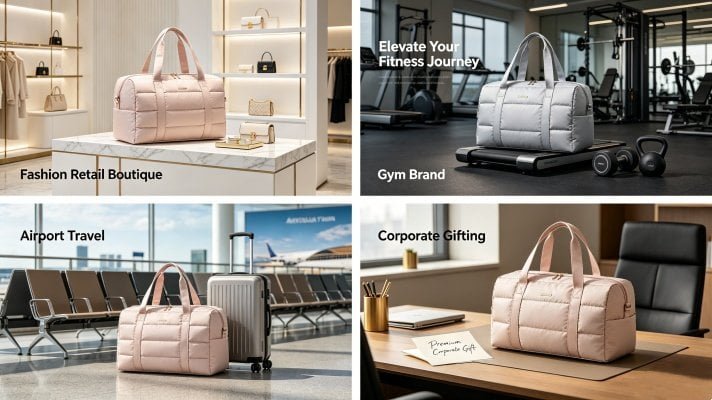
| Industry | Recommended Material | Key Feature |
|---|---|---|
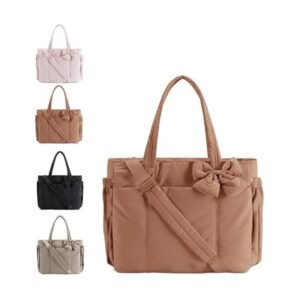
| Fashion Brands | Washed Nylon | Premium Appearance |
| Corporate Gifts | Polyester | Cost Efficiency |
| Gym Brands | Nylon | Durability |
| Travel Brands | Water-resistant Nylon | Lightweight |
| Lifestyle Brands | RPET | Sustainability |
5 Common Mistakes Buyers Make
Mistake #1: Prioritizing Appearance Over Functionality
Beautiful bags still need to carry weight.
Mistake #2: Choosing Cheap Padding
Low-quality filling collapses quickly.
Mistake #3: Ignoring Weight Capacity
Consumers often carry:
- Laptops
- Water bottles
- Chargers
Reinforced stitching is essential.
Mistake #4: Choosing The Wrong Logo Method
Large screen prints often look less premium than embroidery.
Mistake #5: Underestimating Lead Times
Premium materials and custom hardware need additional production time.
Why Work With An Experienced Puffer Tote Bag Manufacturer?
A good supplier does more than produce bags.
They help you avoid costly mistakes before production starts.
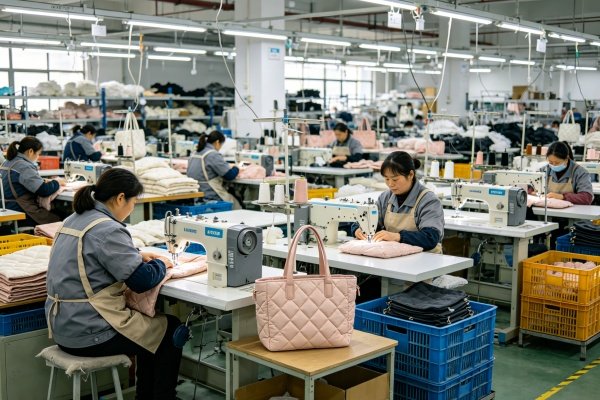
Our Kaibag Factory Advantages
-
20+ Years Manufacturing Experience
-
OEM & ODM Services
-
150+ Skilled Workers
-
300,000 Bags Monthly Capacity
-
30+ Export Countries
-
Stable Supply Chain
-
Fast Sample Development
-
Strict Quality Control
-
Flexible Customization
FAQ
Are puffer tote bags still in style in 2026?
Yes. They continue to grow because consumers prioritize comfort, lightweight construction, and versatility.
What material is best for puffer tote bags?
Nylon offers the best balance of durability, water resistance, and premium appearance.3
Are puffer tote bags waterproof?
Most are water-resistant rather than fully waterproof.4
What is the MOQ for custom puffer tote bags?
Most manufacturers start between 200 and 500 pieces, depending on customization requirements.
Embroidery and woven labels usually provide the highest perceived value.
How long does production take?
Standard production usually takes 25-35 days.
Start Your Custom Puffer Tote Bag Project Today
Tell us:
- Your industry
- Quantity needed
- Target market
- Logo artwork
We'll provide:
✅ Free mockups
✅ Material recommendations
✅ Size suggestions
✅ Packaging solutions
✅ Competitive quotations
Response Within 12 Hours
👉 Request Your Free Quote Today
Related Tote Bag Resources
→ Top 10 Best-Selling Puffer Tote Bags for 2026
→ Puffer Tote Bag Quality Guide
→ Complete Wholesale Buyer’s Guide for 2026
→ A Sourcing Guide for Retailers
→ Is the Puffer Tote Bag Still Profitable for Enterprise eCommerce & Retail Brands?
"Quilting - Wikipedia", https://en.wikipedia.org/wiki/Quilting. Quilting refers to the textile technique of stitching together multiple layers of fabric with padding between them, creating a characteristic padded and segmented appearance commonly used in both apparel and accessories. Evidence role: definition; source type: encyclopedia. Supports: the technical definition of quilted construction in textile manufacturing. ↩
"Changes in shopping habits during COVID-19 - PMC - NIH", https://pmc.ncbi.nlm.nih.gov/articles/PMC9969026/. Consumer research indicates evolving priorities toward multifunctional products that accommodate diverse daily activities, reflecting changes in work patterns, mobility, and lifestyle integration. Evidence role: general_support; source type: research. Supports: shifts in consumer lifestyle patterns and product preferences. Scope note: This provides general context for consumer behavior trends rather than specific evidence about bag preferences. ↩
"Nylon - Wikipedia", https://en.wikipedia.org/wiki/Nylon. Nylon is a synthetic polymer known for its high tensile strength, abrasion resistance, and low moisture absorption, making it suitable for applications requiring durability and weather resistance. Evidence role: mechanism; source type: education. Supports: the material properties of nylon including durability and water resistance. ↩
"Waterproof fabric - Wikipedia", https://en.wikipedia.org/wiki/Waterproof_fabric. Water-resistant materials repel water to some degree but allow moisture penetration under pressure or prolonged exposure, while waterproof materials provide a complete barrier against water penetration under specified conditions, representing distinct performance categories in textile applications. Evidence role: definition; source type: education. Supports: the technical distinction between water-resistant and waterproof materials. ↩