
Most Tote Bag Buyers Are Chasing Trends Instead of Following Demand
Many buyers invest in products that look popular on social media but fail to generate repeat sales.
After manufacturing tote bags for over 20 years, we've found that the most profitable products are not always the trendiest ones.
The winners consistently focus on four opportunities:
- Business-casual hybrid totes
- Sustainable materials
- Functional customization
- Strategic price positioning
These four categories create:
- Higher reorder rates
- Better profit margins
- Lower inventory risks
- Stronger customer retention
In this guide, you'll learn:
✅ Which tote bag categories are growing fastest
✅ Which materials generate the highest demand
✅ Which designs encourage repeat purchases
✅ Which price segments perform best
✅ How to source smarter in 2026
- Tote Bag Market Snapshot
- Top 5 Best-Selling Tote Categories
- Sustainable Materials Opportunity
- Customization Trends
- Pricing Opportunities
- Buyer Recommendation Guide
- How To Source Smarter
- Why Work With The Right Manufacturer
- Buyer Checklist
- FAQ
Tote Bag Market Snapshot 2026
The tote bag market is no longer dominated by simple promotional bags.
Consumer behavior has shifted toward products that combine:
- Functionality
- Sustainability
- Fashion
- Multi-purpose usage
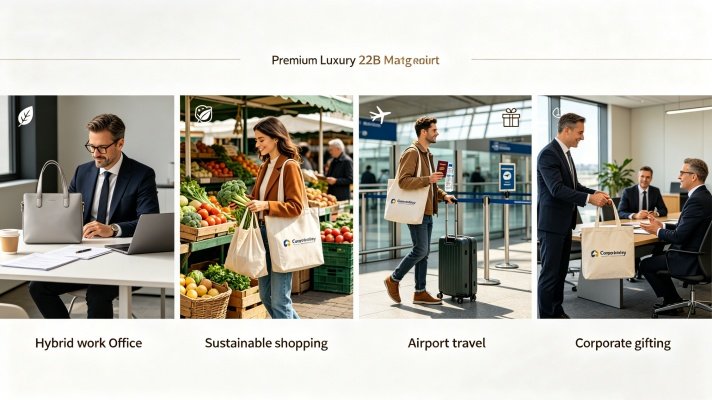
The biggest growth drivers are:
- Hybrid work lifestyles
- Sustainable shopping habits1
- Travel demand
- Premium gifting programs
What's Driving Demand?
| Demand Driver | Impact |
|---|---|
| Hybrid Work | ★★★★★ |
| Sustainable Consumption | ★★★★★ |
| Travel Recovery | ★★★★☆ |
| Corporate Branding | ★★★★★ |
| Social Media Influence | ★★★★☆ |
Top 5 Best-Selling Tote Bag Categories In 2026
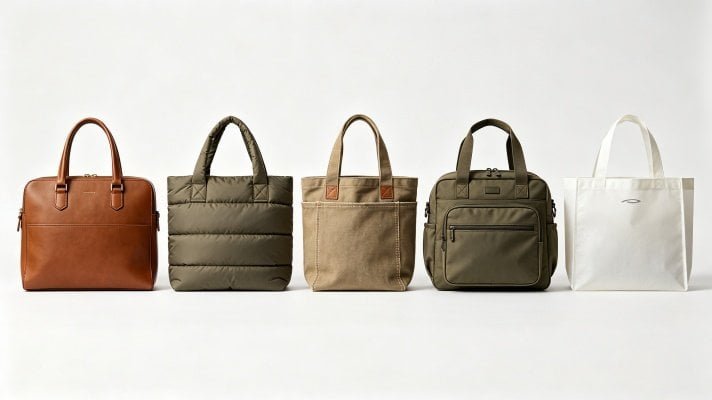
Not every category grows equally.
These five categories are generating the highest reorder rates.
Category 1: Business Casual Tote Bags
Best for:
- Office workers
- Corporate gifting
- Professionals
Features:
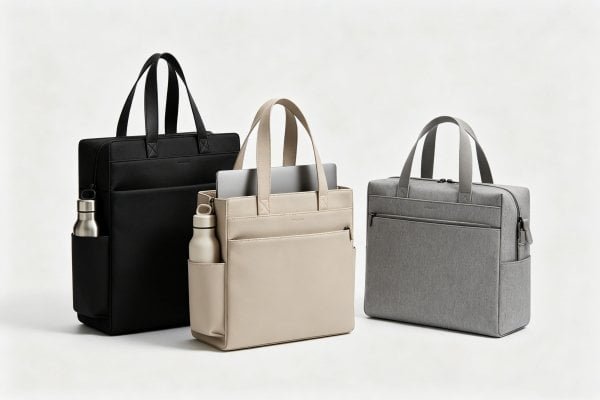
- Laptop compartments
- Water bottle holders
- Structured silhouettes
Category 2: Puffer Tote Bags
Best for:
- Fashion retailers
- Travel brands
- Lifestyle brands
Features:
- Lightweight
- Comfortable
- Trend-driven design
Category 3: Sustainable Canvas Tote Bags
Best for:
- Universities
- Grocery stores
- Eco-conscious brands
Features:
- Reusable
- Durable
- Long-lasting
Category 4: Travel Tote Bags
Best for:
- Airport retailers
- Travel brands
- Hospitality businesses
Features:
- Large capacity
- Lightweight materials
- Luggage sleeves
Category 5: Promotional Tote Bags
Best for:
- Trade shows
- Events
- Corporate campaigns
Features:
- Cost-effective
- High visibility
- Large order volumes
Growth Opportunity Matrix
| Category | Growth Potential | Reorder Potential | Profitability |
|---|---|---|---|
| Business Tote | ★★★★★ | ★★★★★ | ★★★★★ |
| Puffer Tote | ★★★★★ | ★★★★☆ | ★★★★★ |
| Travel Tote | ★★★★★ | ★★★★☆ | ★★★★★ |
| Canvas Tote | ★★★★☆ | ★★★★★ | ★★★★☆ |
| Promotional Tote | ★★★☆☆ | ★★★★★ | ★★★☆☆ |
Sustainable Materials Continue To Drive Demand
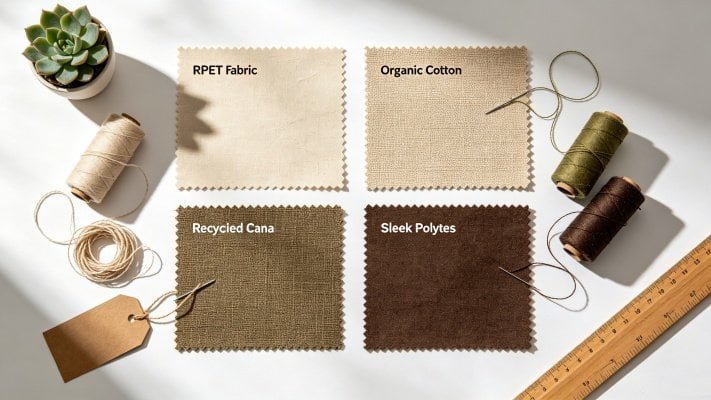
Sustainability is becoming a purchasing requirement rather than a bonus.
Popular materials include:
RPET2
Pros:
- Recycled plastic bottles
- Strong sustainability story
Organic Cotton
Pros:
- Premium positioning
- Eco-friendly branding
Recycled Canvas
Pros:
- Durable
- Sustainable
Material Recommendation Table
| Material | Cost | Sustainability | Best For |
|---|---|---|---|
| RPET | $$ | ★★★★★ | Lifestyle Brands |
| Organic Cotton | $$$ | ★★★★★ | Premium Brands |
| Recycled Canvas | $$$ | ★★★★★ | Retailers |
| Polyester | $ | ★★★☆☆ | Promotions |
Functional Customization Is Becoming A Competitive Advantage
Consumers expect more functionality.
Most requested features include:
- Laptop compartments
- Zipper closures
- Trolley sleeves
- Key hooks
- Bottle holders
- Adjustable straps
Simple bags are no longer enough.
The more useful a bag is, the more frequently consumers use it.
That creates more brand exposure.
Price Positioning Matters More Than Ever
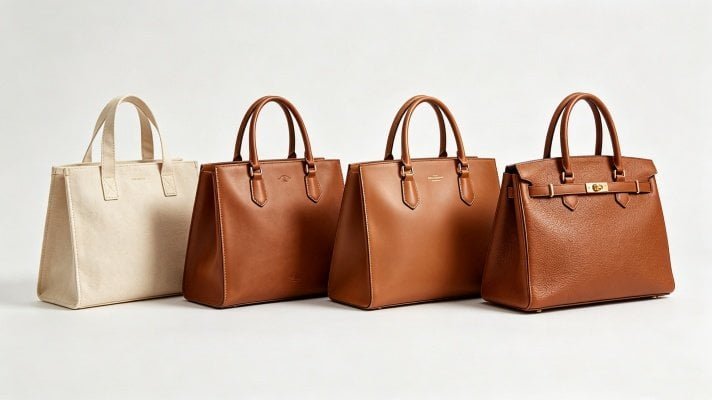
Products that are too cheap often sacrifice quality3.
Products that are too expensive struggle with volume sales.
The most successful products usually sit in the middle.
Recommended Wholesale Price Positioning
| Segment | Wholesale Price | Customer Type |
|---|---|---|
| Budget | $0.8-$3 | Events |
| Mid-Tier | $3-$8 | Retail |
| Premium | $8-$12 | Lifestyle Brands |
| Luxury | $12+ | Designer Brands |
Buyer Recommendation Guide
Different buyers need different products.
Buyer Recommendation Table
| Buyer Type | Recommended Product |
|---|---|
| Retailers | Puffer Tote Bags |
| Corporate Buyers | Business Tote Bags |
| Universities | Canvas Tote Bags |
| Grocery Stores | Heavy Duty Tote Bags |
| Gift Companies | Promotional Tote Bags |
How Buyers Can Source Smarter In 2026
Successful buyers plan around five factors.
Sourcing Checklist
1. Define Your Customer
Who will use the bag?
2. Prioritize Functionality
Looks alone don't create repeat orders.
3. Build Around Reorder Potential
Evergreen products outperform seasonal products.
4. Select The Right MOQ
Avoid overbuying.
5. Plan Production Early
Avoid rush costs.
Peak seasons:
- March to June
- September to November
Why Work With An Experienced Tote Bag Manufacturer?
A good supplier doesn't just manufacture products.
They help buyers avoid expensive mistakes.
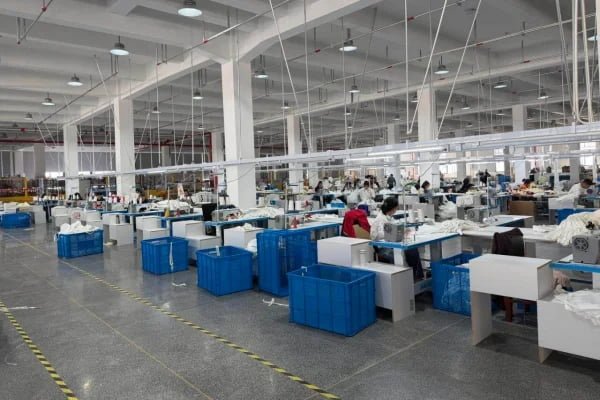
Our Factory Advantages
-
20+ Years Manufacturing Experience
-
150+ Skilled Workers
-
300,000 Bags Monthly Capacity
-
30+ Export Countries
-
Stable Supply Chain
-
OEM & ODM Services
-
Fast Sample Development
-
Strict Quality Control
-
Flexible Customization
FAQ
Which tote bag category is growing the fastest in 2026?
Business casual, puffer tote bags, and travel tote bags are among the fastest-growing categories.
Are sustainable tote bags still growing?
Yes. Sustainability is becoming a purchasing expectation rather than an optional feature.
What materials are most popular?
RPET, organic cotton, recycled canvas, and premium nylon continue to gain demand.
Which tote bag category has the highest reorder rate?
Business tote bags and canvas tote bags usually generate the most consistent repeat orders.
What is the ideal MOQ?
Most custom projects start at 200-500 pieces.
CTA: Start Your Tote Bag Project Today
Tell us:
- Your industry
- Quantity needed
- Logo artwork
- Budget range
We'll provide:
✅ Product recommendations
✅ Material suggestions
✅ Size suggestions
✅ Packaging solutions
✅ Free mockups
✅ Competitive quotations
Response Within 12 Hours
👉 Request Your Free Quote Today
Related Tote Bag Resources
→ Tote Bag Wholesale Sourcing Guide
→ Tote Bag Design Guide
→ Tote Bag Printing Guide
→ Custom Tote Bags Buying Guide
→ The Ultimate Guide to Custom Puffer Tote Bags

"A rising trend in eco-friendly products: A health-conscious approach ...", https://pmc.ncbi.nlm.nih.gov/articles/PMC10559245/. Consumer research studies indicate that sustainability considerations increasingly influence purchasing decisions across product categories, with measurable percentages of consumers willing to pay premiums for environmentally responsible options. Evidence role: statistic; source type: research. Supports: The growing consumer preference for sustainable products in purchasing decisions. Scope note: General consumer sustainability trends may not specifically isolate tote bag category behavior ↩
"Polyethylene terephthalate - Wikipedia", https://en.wikipedia.org/wiki/Polyethylene_terephthalate. Materials science resources explain that RPET (recycled polyethylene terephthalate) is manufactured by processing post-consumer plastic bottles through mechanical or chemical recycling, reducing petroleum consumption and landfill waste compared to virgin polyester production. Evidence role: mechanism; source type: education. Supports: The production process of RPET from post-consumer plastic bottles and its environmental profile. ↩
"[PDF] The Price-Perceived Quality Relationship - AgEcon Search", https://ageconsearch.umn.edu/record/291001/files/Abstracts_19_06_17_09_19_56_99__69_28_84_171_0.pdf. Economics and manufacturing research establishes that production quality typically correlates with input costs, as higher-grade materials, stricter quality control, and skilled labor command premium pricing, while extreme cost reduction generally necessitates compromises in materials, construction, or durability. Evidence role: expert_consensus; source type: research. Supports: The economic relationship between production costs and product quality attributes. ↩
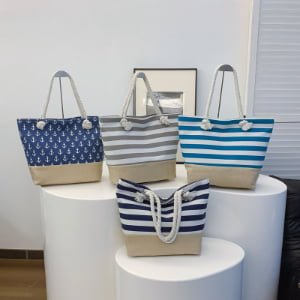
[…] Tote Bag Industry Analysis 2026: Market Trends & Profitable Wholesale Opportunities […]