
Best Backpack Materials Guide (2026): Nylon, Polyester, Canvas & More
Hero Section
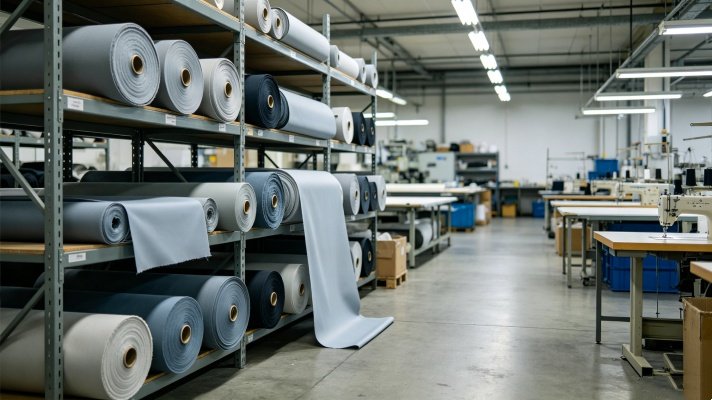
In backpack manufacturing, material selection determines 70% of product performance, durability, and perceived brand value.
As a 20-year OEM & ODM backpack manufacturer, we’ve worked with global brands, Amazon sellers, wholesalers, and promotional companies to develop thousands of backpack styles.
This guide explains the most important backpack materials in 2026, how they compare, and how B2B buyers should choose the right fabric for different markets.
👉 Whether you are sourcing for retail, private label, or promotional projects, this guide will help you make a more profitable decision.
Quick Answers
Backpack materials determine durability, water resistance, weight, cost, and branding potential.
Nylon is the most durable and balanced material, widely used in travel and outdoor backpacks.
Polyester is more cost-effective and suitable for promotional and school backpacks.
Canvas offers a premium, fashion-oriented look but is heavier.
Advanced materials like ripstop nylon, 1680D ballistic nylon, and recycled RPET fabrics are used for high-end or eco-friendly brands.
For OEM buyers, material choice directly affects MOQ, pricing, and logo compatibility, making it a key decision in sourcing strategy.
Backpack Material Comparison Table (2026 Overview)
| Material | Durability | Water Resistance | Weight | Cost | Logo Compatibility | Best Use Case |
|---|---|---|---|---|---|---|
| Nylon | ★★★★★ | ★★★★ | ★★★★ | $$ | Excellent | Travel / Outdoor |
| Polyester | ★★★★ | ★★★ | ★★★★★ | $ | Excellent | School / Promo |
| Canvas | ★★★★ | ★★ | ★★ | $$$ | Very Good | Fashion / Lifestyle |
| Ripstop Nylon | ★★★★★ | ★★★★★ | ★★★★★ | $$$ | Good | Outdoor / Tactical |
| RPET (Recycled) | ★★★★ | ★★★ | ★★★★ | $$$ | Good | Eco Brands |
| Oxford Fabric | ★★★★ | ★★★ | ★★★★ | $$ | Excellent | General Use |
| Leather | ★★★★★ | ★★★ | ★★ | $$$$ | Limited | Premium Luxury |
Why Backpack Material Matters (OEM Perspective)
From a manufacturing standpoint, material is not just about appearance — it directly impacts:
- Product lifespan and durability
- Water resistance and climate adaptability
- Printing and logo performance
- Production cost and MOQ requirements
- Customer perception and brand positioning
Factory Insight (20 Years Experience)
In our production experience, over 60% of product complaints in the backpack industry are related to material mismatch, not design issues.
For example:
- Using low-density polyester for heavy travel backpacks leads to seam failure
- Choosing canvas without waterproof coating reduces outdoor usability
- Selecting incorrect lining material affects product structure stability
This is why material selection is the first step in OEM backpack development, not the last.
Complete Guide to Backpack Materials
Below is a breakdown of the most commonly used backpack materials in 2026.
Nylon (Most Balanced Performance Material)
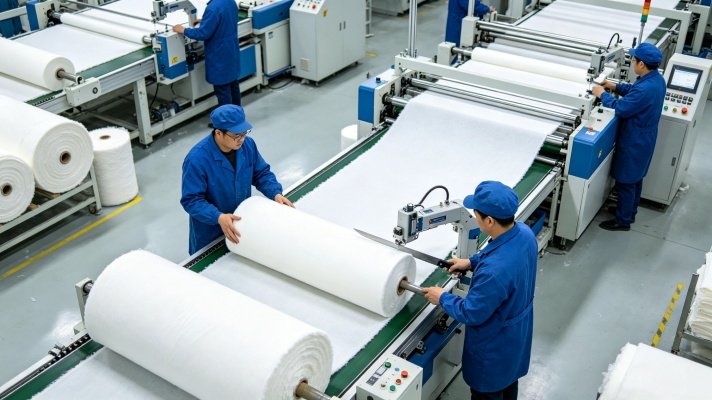
Nylon is one of the most widely used materials in backpack manufacturing.
Key Features:
- High tensile strength
- Lightweight but durable
- Excellent abrasion resistance
- Good water resistance (with coating)
Best For:
- Travel backpacks
- Outdoor backpacks
- Business backpacks
OEM Insight:
Nylon is highly compatible with multiple logo methods including:
- Embroidery
- Heat transfer
- Rubber patch
- Woven label
📌 It is the most recommended material for mid-to-high-end backpack projects.
Polyester (Most Cost-Effective Option)
Polyester is widely used in promotional and entry-level backpacks.
Key Features:
- Low cost
- Good color retention
- Lightweight
- Easy mass production
Best For:
- School backpacks
- Promotional giveaways
- Corporate gifts
OEM Insight:
Polyester is ideal for high MOQ, low budget projects, especially when price competitiveness is critical.
Canvas (Premium Lifestyle Material)
Canvas is a natural cotton-based material used for fashion and lifestyle backpacks.
Key Features:
- Thick and durable
- Premium texture
- Heavy weight
- Less water resistant unless coated
Best For:
- Fashion brands
- Lifestyle retail products
- Urban backpacks
OEM Insight:
Canvas is often combined with PU or wax coating for improved durability and water resistance.
Ripstop Nylon (High-End Outdoor Material)
Ripstop nylon uses a reinforced weaving structure to prevent tearing.
Key Features:
- Tear-resistant grid structure
- Lightweight yet extremely strong
- Excellent outdoor durability
Best For:
- Hiking backpacks
- Tactical backpacks
- Outdoor sports brands
Recycled Fabric (RPET Sustainable Material)
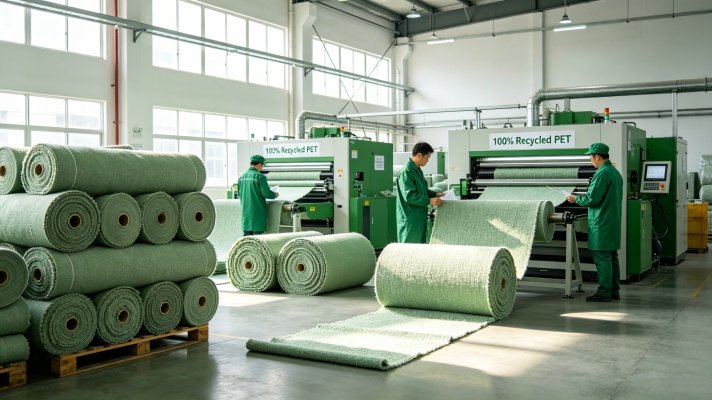
RPET is made from recycled plastic bottles.
Key Features:
- Eco-friendly branding
- Similar performance to polyester
- Increasing demand in EU & US markets
Best For:
- Sustainable brands
- Corporate ESG programs
- Eco-focused retailers
Waterproof vs Water-Resistant Fabrics
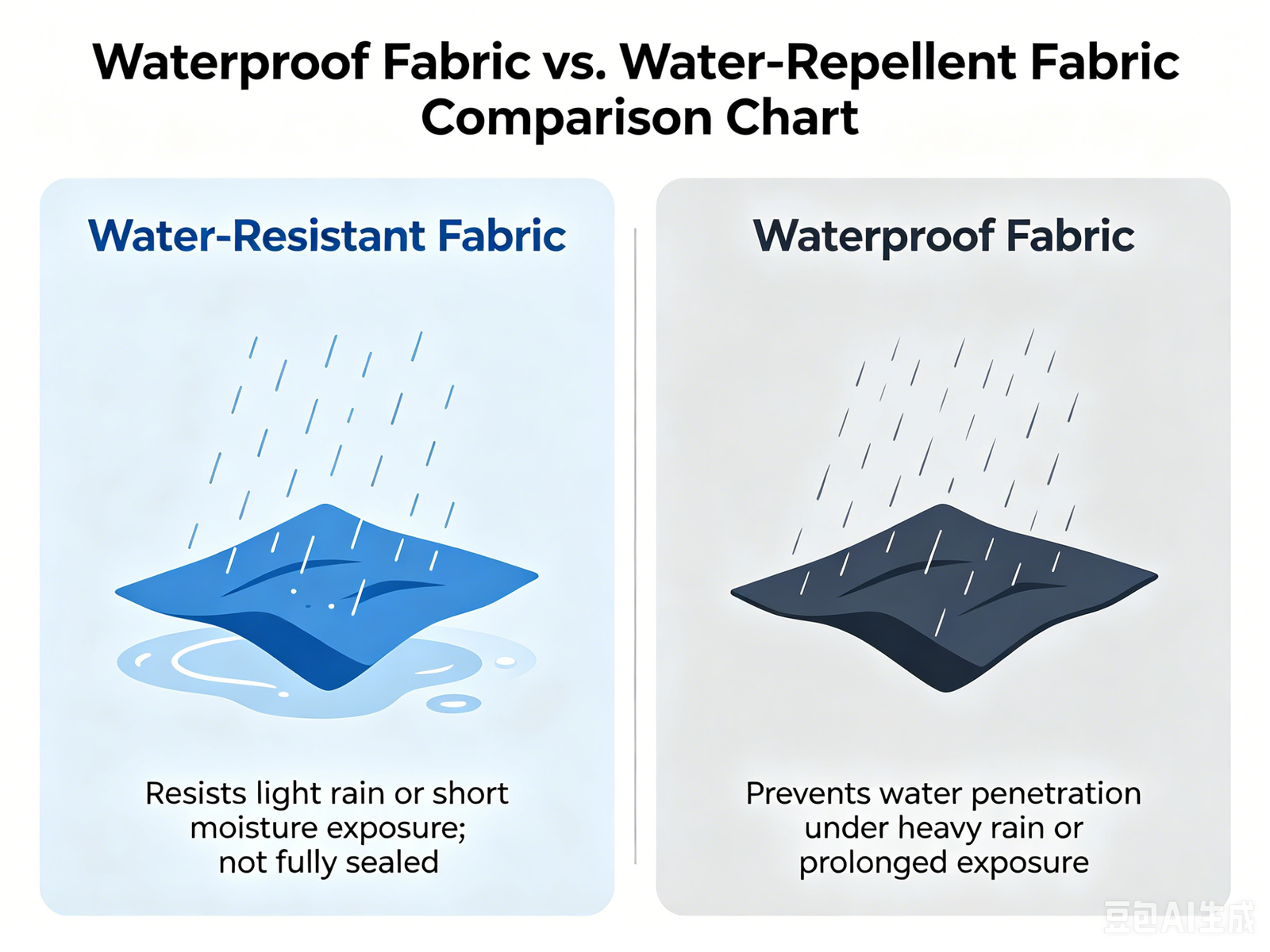
One of the most misunderstood topics in backpack sourcing is the difference between waterproof and water-resistant fabrics.
Water-Resistant Fabric
Water-resistant fabrics can resist light rain or short exposure to moisture, but they are not fully sealed.
Common materials:
- Polyester with PU coating
- Nylon with DWR coating
- Oxford fabric
Best for:
- School backpacks
- Daily commuting bags
- Promotional backpacks
Waterproof Fabric
Waterproof fabrics prevent water penetration even under heavy rain or prolonged exposure.
Common materials:
- TPU-coated nylon
- PVC laminated fabric
- High-density ripstop nylon with sealing treatment
Best for:
- Outdoor backpacks
- Hiking and tactical bags
- Marine or travel gear
Factory Insight
In OEM production, waterproof performance is not only about fabric—it depends on:
- Seam sealing technology
- Zipper waterproof treatment
- Inner lining lamination
Many buyers mistakenly choose “waterproof fabric” but ignore construction details, resulting in product failure in real usage.
Backpack Lining Guide
The lining is often overlooked, but it plays a critical role in structure, durability, and perceived quality.
Common Lining Materials
| Lining Material | Features | Use Case |
|---|---|---|
| 210D Polyester | Lightweight, cost-effective | Entry-level backpacks |
| 420D Polyester | Stronger structure | Mid-range backpacks |
| Mesh Fabric | Breathable, lightweight | Sports backpacks |
| PU Coating Lining | Water-resistant | Travel backpacks |
| Foam Padding | Shock protection | Laptop compartments |
Material Selection by Backpack Type
Different backpack categories require different material strategies.
Travel Backpacks
- Recommended: Nylon, Ripstop Nylon
- Focus: durability + lightweight + water resistance
Business Backpacks
- Recommended: Nylon, Oxford fabric
- Focus: structure + professional appearance
School Backpacks
- Recommended: Polyester, 600D fabric
- Focus: cost control + color variety
Outdoor / Hiking Backpacks
- Recommended: Ripstop Nylon, TPU-coated fabric
- Focus: waterproof + tear resistance
Promotional Backpacks
- Recommended: Polyester
- Focus: lowest cost + mass production efficiency
Luxury / Fashion Backpacks
- Recommended: Canvas, PU leather, mixed materials
- Focus: aesthetics + brand positioning
Material Selection by Buyer Type
Understanding buyer intent is essential for OEM success.
Importers & Wholesalers
- Priority: price stability + durability
- Best materials: Polyester, Nylon
Amazon / Shopify Sellers
- Priority: reviews + differentiation
- Best materials: Nylon, RPET
Corporate Gift Buyers
- Priority: branding + cost efficiency
- Best materials: Polyester, Oxford fabric
Premium Brand Owners
- Priority: storytelling + material identity
- Best materials: Canvas, Ripstop Nylon, Leather mix
Eco-Friendly Brands
- Priority: sustainability certifications
- Best materials: RPET recycled fabric
Logo Compatibility by Material
Different fabrics support different branding techniques.
| Material | Embroidery | Printing | Heat Transfer | Rubber Patch | Woven Label |
|---|---|---|---|---|---|
| Nylon | ★★★★★ | ★★★★ | ★★★★★ | ★★★★★ | ★★★★★ |
| Polyester | ★★★★★ | ★★★★★ | ★★★★★ | ★★★★ | ★★★★★ |
| Canvas | ★★★★★ | ★★★★ | ★★★ | ★★★★ | ★★★★★ |
| Ripstop Nylon | ★★★★ | ★★★ | ★★★★ | ★★★★★ | ★★★★ |
| RPET | ★★★★ | ★★★★ | ★★★★ | ★★★★ | ★★★★ |
Factory Insight
Logo compatibility should always be considered before finalizing fabric selection, because it directly affects:
- MOQ requirements
- Production cost
- Lead time stability
MOQ Considerations (Critical for OEM Buyers)
MOQ (Minimum Order Quantity) is one of the most important constraints in backpack sourcing, and it is directly influenced by fabric type, customization level, and production complexity.
Typical MOQ by Material Type
| Material | Typical MOQ | Why It Affects MOQ |
|---|---|---|
| Polyester | 200–500 pcs | Easy sourcing, stable stock fabric availability |
| Oxford Fabric | 300–500 pcs | Standard weaving + wide supplier base |
| Nylon | 300–800 pcs | Higher material cost + color dye customization |
| Ripstop Nylon | 500–1000 pcs | Specialized weaving structure + limited mills |
| RPET Fabric | 500–1000 pcs | Requires recycled yarn sourcing & certification |
| Canvas | 300–800 pcs | Dyeing variations + shrinkage control |
| Leather / PU Leather | 800–1500 pcs | High processing complexity + consistency control |
Factory Insight (Important for Buyers)
MOQ is NOT a fixed number in real production. It depends on:
- Fabric color customization (stock vs dyed-to-order)
- Printing method (silk screen, embroidery, heat transfer)
- Hardware customization (zippers, buckles, logo plates)
- Seasonal factory capacity
- Packaging requirements (custom cartons, inserts)
👉 In many cases, MOQ can be reduced by using:
- Stock fabric colors
- Standard hardware options
- Existing backpack templates (ODM base models)
This is the fastest way for startups and Amazon sellers to enter the market.
Common Buyer Mistakes
1. Choosing Fabric Based Only on Price
Lower-cost polyester may reduce:
- Tear resistance
- Stitch durability
- Long-term brand perception
2. Ignoring End-Use Scenario
Example:
- Canvas used for hiking backpacks → too heavy and not waterproof
- Polyester used for tactical backpacks → insufficient durability
👉 Material must match application, not just budget.
3. Overlooking Backpack Lining Quality
Even if outer fabric is premium, poor lining can cause:
- Structural collapse
- Reduced laptop protection
- Faster wear and tear
4. Wrong Logo Method Selection
Examples:
- Embroidery on thin polyester → fabric distortion
- Heat transfer on canvas → poor adhesion durability
5. Ignoring Waterproof Structure (Not Just Fabric)
True waterproof performance depends on:
- Fabric coating (PU / TPU / PVC)
- Seam sealing technology
- Waterproof zipper design
Related Guides (Internal Linking Strategy)
To strengthen topical authority and prevent keyword cannibalization, this page should link to:
- 👉 600D vs 900D Backpack Fabric Guide
- 👉 1680D Ballistic Nylon Backpack Explained
- 👉 Waterproof Backpack Fabric Guide (2026)
- 👉 Backpack Logo Methods Guide
- 👉 Custom Backpack Manufacturing Process (OEM Guide)
FAQ
What is the best material for backpacks?
Nylon is generally considered the best all-around backpack material due to its balance of durability, lightweight structure, and water resistance.
Is nylon better than polyester for backpacks?
Yes. Nylon is stronger, more abrasion-resistant, and more durable. Polyester is cheaper and better for promotional use.
What is the most durable backpack fabric?
Ripstop nylon and 1680D ballistic nylon are among the most durable materials used in premium outdoor and tactical backpacks.
Are canvas backpacks waterproof?
Canvas is not naturally waterproof. However, it can be treated with PU coating or wax coating to improve water resistance.
What is RPET fabric in backpacks?
RPET is recycled polyester made from plastic bottles. It is widely used for eco-friendly and sustainable backpack production.
What fabric is best for waterproof backpacks?
TPU-coated nylon and PVC laminated fabrics offer the highest waterproof performance in backpack manufacturing.
What is backpack lining made of?
Common lining materials include 210D polyester, 420D polyester, mesh fabric, foam padding, and TPU-coated fabric depending on use case.
What is the difference between 600D and 900D fabric?
Higher denier (900D) means thicker, stronger, and more durable fabric compared to 600D, which is lighter and more flexible.
What We Offer
- Custom sizing & prototyping
- Fast sample development (7-10 days)
- GRS-certified RPET materials
- OEKO-TEX fillings
- Vacuum packaging solutions
Ready to Build Your Next Best-Seller?
Tell us:
- Your country
- Your sales channel
- Your target customers
- Your estimated order quantity
Response within 12 hours.

[…] 👉 Best Backpack Materials Guide (2026) […]
[…] Best Backpack Materials Guide (2026) […]
[…] Best Backpack Materials Guide (2026) […]