Wholesale Cooler Bags: A Complete Buying Guide for Outdoor, Medical & Food Delivery Brands
In today's global market, cooler bags are no longer limited to picnics and weekend outings. They have become essential products for a wide range of industries, including outdoor recreation, pharmaceutical transportation, food delivery, and catering services.
As businesses continue to prioritize product quality, temperature control, and customer experience, the demand for high-performance insulated cooler bags is steadily increasing.
However, not all cooler bags are designed for the same purpose. A cooler bag that performs well for camping may not meet the strict temperature-control requirements of vaccine transportation. Likewise, a catering company delivering meals to hundreds of customers daily requires different features than an outdoor brand selling picnic accessories.
For distributors, wholesalers, brand owners, and procurement managers, choosing the right cooler bag supplier is critical. Understanding the specific needs of different customer groups can help ensure better product performance, customer satisfaction, and long-term business success.
Understanding Different Cooler Bag Applications
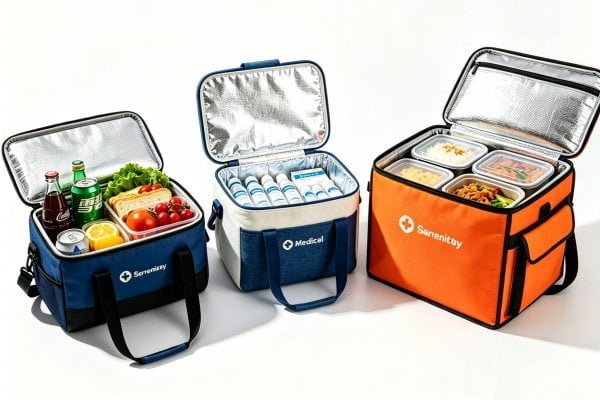
Different industries have unique requirements when it comes to insulated cooler bags. Before selecting a product, buyers should first identify the intended application.
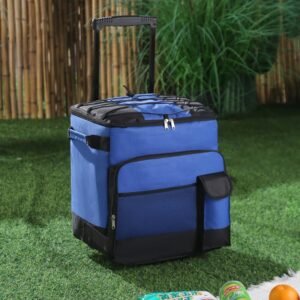
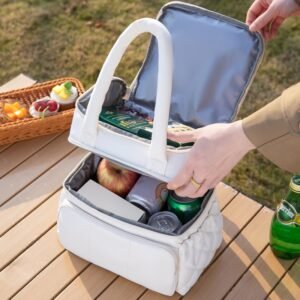
Cooler Bags for Outdoor Activities
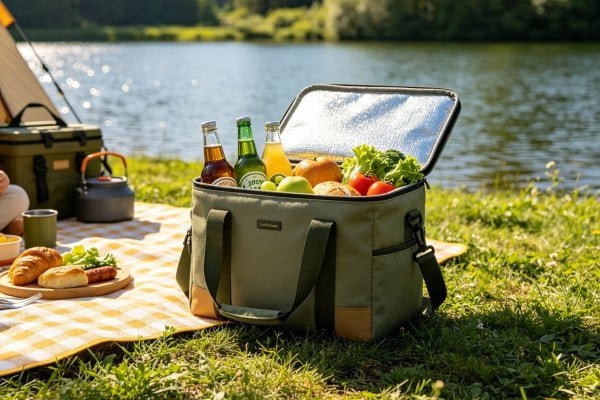
Outdoor enthusiasts use cooler bags for activities such as:
- Camping
- Hiking
- Fishing
- Picnics
- Beach trips
- Road travel
Key Requirements
Long Insulation Performance
Outdoor users often spend several hours away from refrigeration. The cooler bag should maintain internal temperatures for extended periods.
Important insulation materials include:
- PE Foam
- EPE Foam
- EVA Foam
- Aluminum foil lining
The thicker the insulation layer, the longer the cooling performance generally lasts1.
Water Resistance
Outdoor environments expose bags to rain, moisture, mud, and sand. Waterproof or water-resistant materials help protect both the contents and the bag itself.
Recommended materials:
- Waterproof Oxford Fabric
- TPU-coated fabric
- PVC-backed polyester
Lightweight Design
Weight matters during hiking and camping. Buyers often prefer lightweight soft cooler bags that are easy to carry while still providing adequate insulation.
Durability
Outdoor cooler bags must withstand rough handling and frequent use.
Look for:
- Reinforced stitching
- Heavy-duty zippers
- Wear-resistant fabric
- Strengthened handles
Cooler Bags for Medical Applications
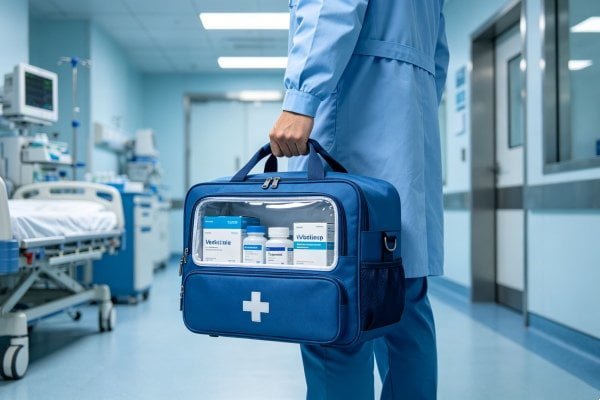
Medical cooler bags serve a much more specialized function.
Common uses include:
- Vaccine transportation2
- Pharmaceutical delivery
- Biological sample transport
- Laboratory specimen storage
- Emergency medical supplies
Key Requirements
Temperature Stability
Medical products often require precise temperature ranges.
A high-quality medical cooler bag should:
- Maintain stable temperatures
- Minimize temperature fluctuations
- Support cold-chain transportation
Leak-Proof Construction
Medical environments demand hygienic storage solutions.
Leak-proof liners help prevent contamination and improve safety.
Easy Sanitization
Medical bags should be easy to clean and disinfect after each use.
Common interior materials include:
- Medical-grade PEVA
- Aluminum foil lining
- Waterproof TPU lining
Compliance and Traceability
Many pharmaceutical companies require:
- Batch tracking
- Product labeling
- Quality documentation
- Material compliance reports
This makes selecting an experienced medical cooler bag manufacturer especially important.
Cooler Bags for Catering and Food Delivery Services
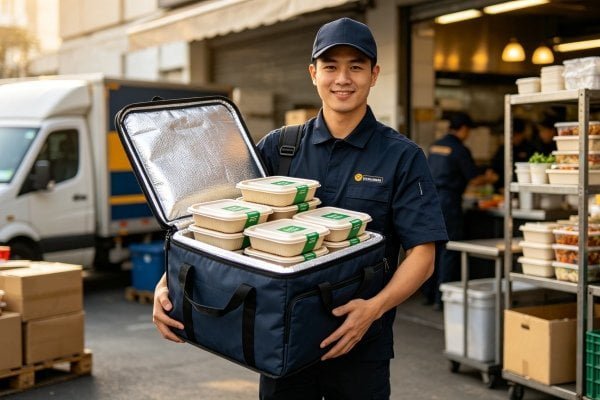
The rapid growth of food delivery platforms has created significant demand for insulated catering bags.
Typical users include:
- Catering companies
- Restaurants
- Food delivery operators
- Meal preparation businesses
- Event organizers
Key Requirements
Large Capacity
Food delivery often involves transporting multiple meal containers simultaneously.
Popular capacities include:
- 20L
- 30L
- 40L
- 60L+
Food Safety
Materials must comply with food-contact safety requirements3 and resist odor absorption.
Heat and Cold Retention
Unlike outdoor bags that mainly preserve cold items, catering bags often need to maintain hot food temperatures.
Advanced insulation structures can support both hot and cold transportation.
Easy Cleaning
Daily commercial use requires frequent cleaning.
Features often include:
- Waterproof interior lining
- Smooth surfaces
- Removable inserts
Key Factors to Evaluate Before Buying Cooler Bags
Regardless of industry, buyers should carefully evaluate several core factors before placing an order.
Insulation Materials
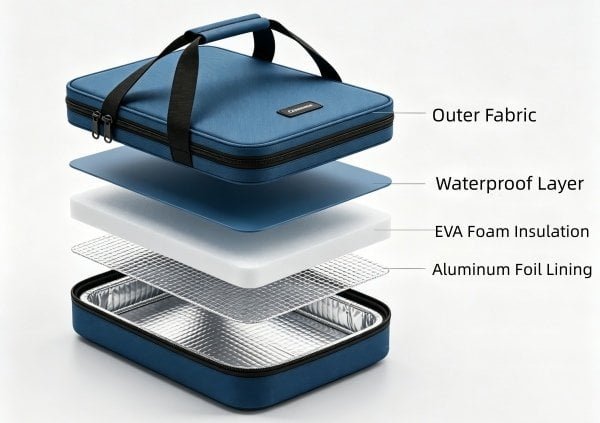
Insulation performance is the most important feature of any cooler bag.
| Material | Advantages | Applications |
|---|---|---|
| PE Foam | Cost-effective | Entry-level cooler bags |
| EPE Foam | Lightweight and flexible | Outdoor bags |
| EVA Foam | Superior insulation | Premium cooler bags |
| Aluminum Foil | Reflects heat effectively | Food and beverage storage |
Many premium custom insulated cooler bags combine multiple insulation layers to achieve better thermal performance.
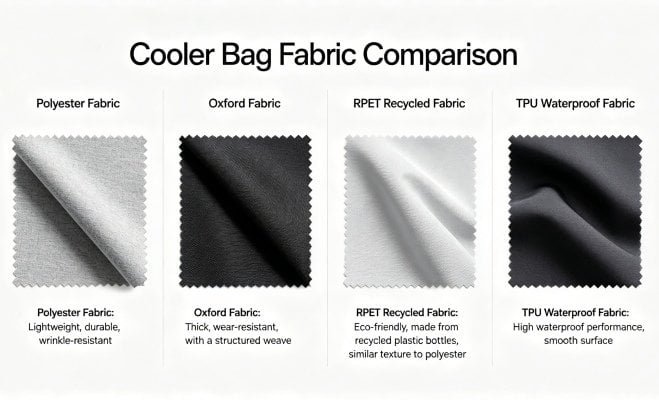
Outer Fabric Options
The outer material significantly affects durability, appearance, and cost.
Polyester
Advantages:
- Affordable
- Lightweight
- Wide color options
Suitable for:
- Promotional cooler bags
- Retail products
Oxford Fabric
Advantages:
- Durable
- Abrasion-resistant
- Professional appearance
Suitable for:
- Outdoor cooler bags
- Catering bags
RPET Fabric
Advantages:
- Eco-friendly
- Recycled material
- Sustainable branding
Suitable for:
- Environmentally conscious brands
TPU Waterproof Fabric
Advantages:
- Excellent waterproof performance
- Premium appearance
Suitable for:
- Fishing cooler bags
- Marine applications
- High-end outdoor brands
Capacity and Size Selection
Choosing the right size depends on intended use.
Outdoor Users
Recommended:
- 10L–30L
Medical Transport
Recommended:
- 5L–20L
Catering Operations
Recommended:
- 30L–80L+
Selecting an oversized bag may increase transportation costs, while undersized bags reduce efficiency.
Durability and Construction Quality
A cooler bag's lifespan often depends on construction quality rather than material alone.
Stitching
Look for:
- Double stitching
- Reinforced stress points
Zippers
Premium brands often use:
- SBS zippers
- YKK zippers
Handles and Shoulder Straps
Heavy loads require reinforced carrying systems.
Base Support
Rigid bottom panels improve stability and prevent sagging.
Customization Options for B2B Buyers
One of the biggest advantages of working with an OEM cooler bag manufacturer is the ability to customize products according to market requirements.
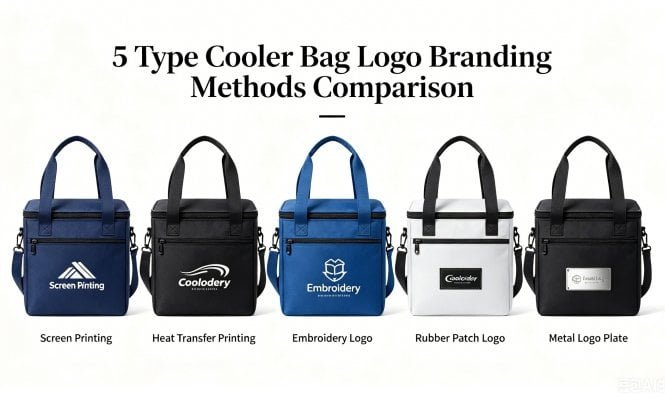
Custom Logo Solutions
Brand visibility is a major purchasing factor.
Silk Screen Printing
Advantages:
- Economical
- Suitable for simple logos
Heat Transfer Printing
Advantages:
- Full-color graphics
- High detail
Embroidery
Advantages:
- Premium appearance
- Excellent durability
Rubber Patch
Advantages:
- Modern branding effect
- Strong outdoor appeal
Metal Logo Plate
Advantages:
- Luxury positioning
- Premium brand image
Structural Customization
Different industries often require different internal layouts.
Outdoor Bags
- Bottle holders
- Front pockets
- Mesh compartments
Medical Bags
- Temperature-monitoring pockets
- Specimen separators
- Emergency supply compartments
Catering Bags
- Food tray dividers
- Delivery organization systems
- Reinforced shelving structures
Material Customization
Professional OEM and ODM cooler bag suppliers can offer:
- Recycled RPET materials
- Waterproof fabrics
- Anti-bacterial linings
- Food-grade materials
- PVC-free eco-friendly options
These customizations help brands differentiate themselves in competitive markets.
How to Select a Reliable Cooler Bag Manufacturer
Choosing the right manufacturer directly affects product quality, delivery performance, and long-term profitability.
Manufacturing Experience
Suppliers with extensive industry experience typically have:
- Mature production processes
- Better quality control
- Strong material sourcing capabilities
A manufacturer with over 20 years of experience often understands international market requirements more thoroughly.
OEM and ODM Capabilities
Reliable manufacturers should provide:
OEM Services
Production according to customer designs.
ODM Services
Product development based on customer concepts.
Strong development capabilities reduce time-to-market and improve competitiveness.
Quality Control System
Ask suppliers about:
- Incoming material inspection
- Production monitoring
- Finished product inspection
- Packaging verification
Consistent quality is essential for wholesale cooler bags and private label cooler bags.
Sample Development Capability
Before placing bulk orders, request samples to evaluate:
- Material quality
- Insulation performance
- Logo appearance
- Structural design
Professional manufacturers can typically provide customized samples within a reasonable timeframe.
Production Capacity
Verify:
- Factory size
- Number of production lines
- Monthly output
- Peak season capacity
This helps avoid delivery delays during busy seasons.
Certification Support
Depending on the target market, certifications may include:
- BSCI
- ISO Standards
- REACH Compliance4
- FDA-related Material Compliance
- CPSIA Requirements
Common Mistakes Buyers Should Avoid
1. Focusing Only on Price
The cheapest supplier is rarely the most cost-effective choice.
Poor quality often leads to:
- Customer complaints
- Product returns
- Brand damage
2. Ignoring Insulation Performance
A cooler bag's primary function is temperature retention.
Always verify insulation testing data whenever possible.
3. Not Requesting Samples
Samples help identify issues before mass production.
Skipping this step increases risk significantly.
4. Overlooking Customization Details
Minor details such as zipper color, logo placement, and handle design can impact overall product appeal.
5. Choosing Inexperienced Suppliers
New suppliers may struggle with:
- Quality consistency
- Production scheduling
- International shipping requirements
6. Ignoring Packaging Requirements
Retail packaging often affects both customer perception and logistics costs.
7. Failing to Verify Production Capacity
Suppliers should be capable of meeting future growth requirements, not just current demand.
8. Neglecting Sustainability Trends
Eco-friendly cooler bags are becoming increasingly important in global markets.
Ignoring sustainable materials may limit future opportunities.
Conclusion
Choosing the right cooler bag starts with understanding the end user's needs.
For outdoor applications, buyers should prioritize insulation performance, durability, waterproofing, and portability.
For medical applications, temperature stability, hygiene, leak-proof construction, and compliance become critical factors.
For catering and food delivery operations, large capacity, food safety, easy cleaning, and heat retention are often the most important considerations.
Regardless of the industry, working with an experienced cooler bag manufacturer can significantly improve product quality, supply chain reliability, and long-term business success.
About Our Factory
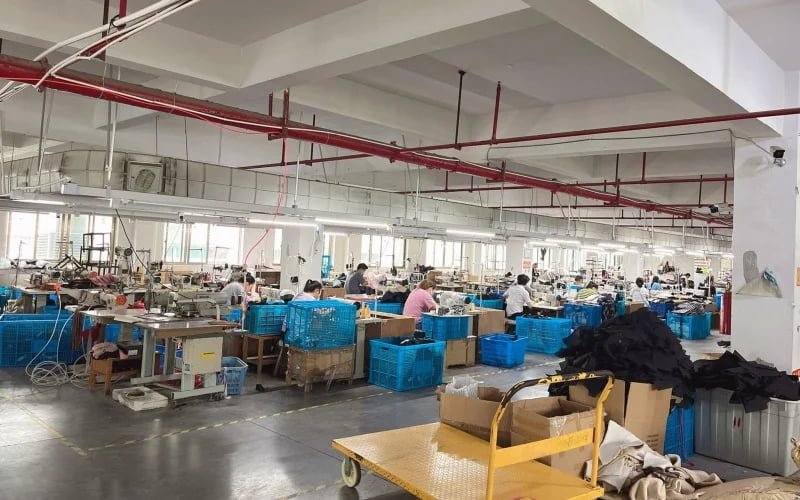
We are a professional bag manufacturer with more than 20 years of experience in the design, development, and production of custom bags and insulated cooler bags.
Our one-stop OEM and ODM capabilities include:
- Custom Logo Solutions
- Material Customization
- Hardware and Accessories Development
- Internal Structure Design
- Packaging Customization
- Sample Development
- Mass Production Support
We serve brands, wholesalers, distributors, importers, retailers, and promotional product companies worldwide.
Whether you need custom insulated cooler bags for outdoor activities, medical cooler bags, insulated catering bags wholesale, or private label cooler bags, our experienced team can help turn your ideas into market-ready products.
Request a Free Quote Today
Looking for a reliable cooler bag manufacturer for your next project?
Contact our team today to discuss your customization requirements, receive expert recommendations, and get a free quotation for your custom cooler bag project.
OEM & ODM Cooler Bags | Factory Direct Pricing | Fast Sampling | Global Export Experience
Frequently Asked Questions
What is the best insulation material for cooler bags?
EVA foam generally provides better insulation performance than standard PE or EPE foam5, especially for premium applications.
Are custom logo cooler bags suitable for promotional campaigns?
Yes. Branded cooler bags with logo printing are widely used for corporate promotions, retail programs, and marketing campaigns.
Can cooler bags be made from recycled materials?
Yes. Many manufacturers now offer RPET fabric made from recycled plastic bottles.
What is the typical MOQ for wholesale cooler bags?
MOQ varies depending on design complexity, materials, and customization requirements. Many manufacturers offer flexible solutions for growing brands.
How long does OEM cooler bag production take?
Production timelines generally depend on design complexity, order quantity, and material availability.
"[PDF] Performance Comparison of Thermal Insulated Packaging Boxes ...", https://digitalcommons.calpoly.edu/cgi/viewcontent.cgi?article=1043&context=it_fac. Heat transfer studies demonstrate that increased insulation thickness generally reduces thermal conductivity and extends temperature retention, following established principles of thermal engineering. Evidence role: mechanism; source type: paper. Supports: the relationship between insulation thickness and thermal performance. Scope note: Performance gains may diminish at higher thicknesses due to diminishing returns and practical design constraints ↩
"[PDF] Unit 4 : Cold chain and logistics management", https://cdn.who.int/media/docs/default-source/searo/india/publications/immunization-handbook-107-198-part2.pdf. World Health Organization guidelines specify requirements for maintaining vaccine cold chain integrity during transportation, including the use of appropriate insulated containers. Evidence role: case_reference; source type: government. Supports: the use of insulated containers in vaccine transportation. Scope note: WHO guidelines may specify more stringent requirements than standard cooler bags can provide ↩
"Packaging & Food Contact Substances (FCS) - FDA", https://www.fda.gov/food/food-ingredients-packaging/packaging-food-contact-substances-fcs. FDA regulations establish specific safety standards for materials intended to come into contact with food, including requirements for migration testing and approved substance lists. Evidence role: definition; source type: government. Supports: regulatory requirements for materials in contact with food. Scope note: Requirements may vary by jurisdiction and specific food contact scenarios ↩
"Registration, Evaluation, Authorisation and Restriction of Chemicals", https://en.wikipedia.org/wiki/Registration,_Evaluation,_Authorisation_and_Restriction_of_Chemicals. REACH (Registration, Evaluation, Authorisation and Restriction of Chemicals) is European Union regulation addressing the production and use of chemical substances and their potential impacts on human health and the environment. Evidence role: definition; source type: government. Supports: the scope and requirements of REACH chemical regulations. Scope note: REACH requirements may not apply to all markets or all components of cooler bag manufacturing ↩
"Determination of the Long-Term Thermal Performance of Foam ...", https://pmc.ncbi.nlm.nih.gov/articles/PMC9695631/. Materials science research indicates that EVA foam typically exhibits lower thermal conductivity values compared to standard PE and EPE foams, resulting in improved insulation performance. Evidence role: statistic; source type: paper. Supports: comparative thermal insulation properties of different foam materials. Scope note: Performance differences may vary based on foam density, cell structure, and specific manufacturing processes ↩