
The Ultimate Guide to Custom Tote Bag Bulk Wholesale: Material Selection & B2B Procurement Strategy
Introduction: Why 80% of Promotional Tote Bags Fail Before They Ship
In the competitive landscape of global trade, most wholesale suppliers and promotional product buyers face a recurring nightmare when placing large-scale orders: custom tote bag material selection. It is not uncommon for procurement teams to struggle with identifying the right fabric that balances cost, durability, and brand aesthetics.
Unfortunately, wrong material choices often result in poor durability (handles tearing under weight), unprofessional brand presentation (blurry or peeling logos), increased end-user complaints, and wasted procurement budgets. Leveraging our 20 years of experience as a professional custom bag manufacturing factory, we have observed that material selection is the single most critical step1 for the success of any custom tote bag bulk wholesale project.
As a provider of one-stop custom bag solutions with full OEM/ODM production support, we understand that every stitch and fiber counts. In this guide, we will move beyond basic descriptions and provide a professional, factory-level analysis—complete with GSM recommendations and printing compatibility data—to help you navigate material comparisons and scenario-based selection.
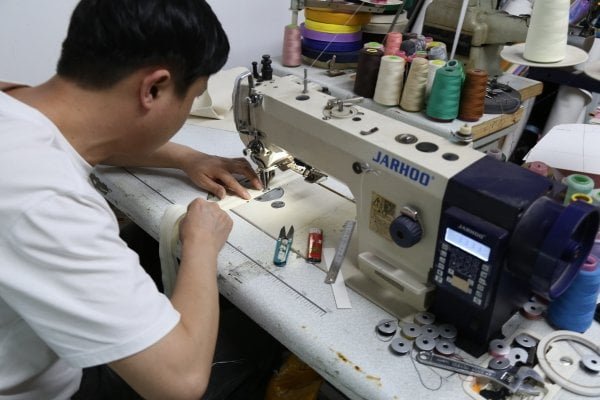
Why Material Selection Determines B2B Bulk Tote Bag Order Success
For B2B buyers, a tote bag is never just a container; it is a mobile billboard and a tangible representation of corporate identity. The choice of material has a decisive impact on several commercial factors:
- Product Service Life & Durability: A bag that tears after a few uses damages brand reputation rather than enhancing it.
- Brand Printing Display Quality: Different fabrics react differently to screen printing, heat transfer, and embroidery. The wrong match can lead to blurry logos or color migration.
- After-Sales Rate & Cost: High-quality materials reduce return rates and customer service inquiries regarding defects.
- Multi-Scenario Adaptability: A bag designed for a grocery run requires different properties than one intended for a tech conference.
Factory Expert Insight: While retail focuses heavily on fleeting fashion trends, B2B orders require standardized, scenario-matched material selection. Relying on generic low-cost materials often leads to failure in commercial environments where performance and brand consistency are non-negotiable.
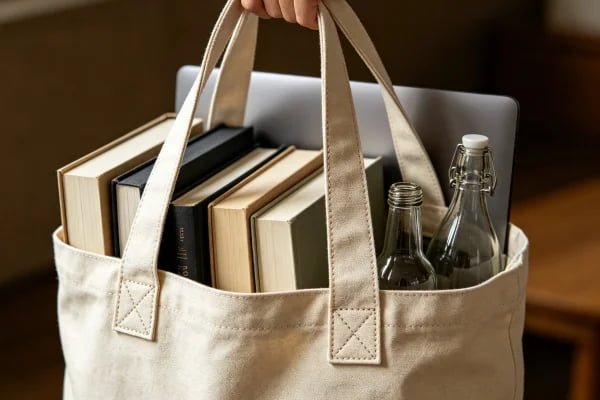
Comprehensive Comparison of Mainstream Tote Bag Materials
To assist in your OEM ODM custom tote bag material selection, we have analyzed six mainstream materials used in our factory. This comparison covers core advantages, disadvantages, commercial performance, and ideal B2B scenarios.
Quick Comparison Table for B2B Buyers
| Material | Durability | Cost Level | Best Printing Method | Eco-Friendliness |
|---|---|---|---|---|
| Canvas | (High) | High | Screen Print / Embroidery | High (Biodegradable) |
| Cotton | (Medium) | Medium-High | Screen Print / Digital | High (Organic Options) |
| Polyester | (Good) | Low-Medium | Sublimation / Heat Transfer | Low (Unless RPET) |
| Non-woven | (Low) | Very Low | Screen Print | Medium (Recyclable) |
| Nylon | (High) | High | Label / Special Coating | Low |
| RPET | (Good) | Medium | Screen Print / Sublimation | Very High (Certified) |
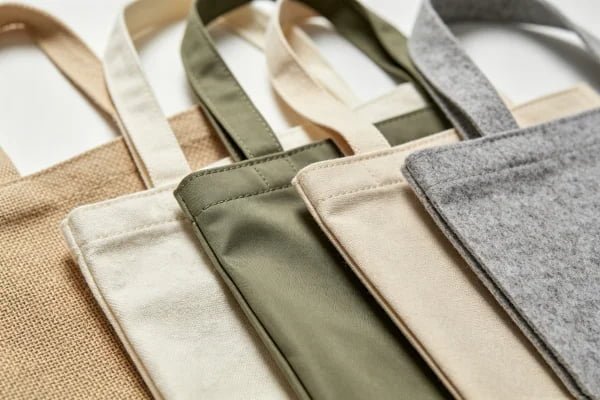
1. Canvas: The Gold Standard for Durability
- Core Advantages: Exceptional tensile strength, natural texture, and excellent load-bearing capacity. It offers a premium, classic look that consumers love.
- Main Disadvantages: Heavier than synthetic options; prone to shrinking if not pre-washed; generally more expensive.
- Commercial Performance: Known as a durable tote bag material for bulk orders, canvas ages well and is often reused by consumers for years, maximizing brand exposure.
- Best B2B Application Scenarios: High-end retail packaging, university welcome kits, library bags, and heavy-duty grocery replacements.
️ Pro Tip from the Production Line: For a truly premium feel that doesn't tear at the handles, we recommend using 12oz to 16oz (approx. 340-450gsm) canvas. Anything below 10oz may feel "flimsy" for corporate gifts.
2. Cotton: The Natural Choice for Lifestyle Brands
- Core Advantages: Soft hand-feel, biodegradable2, and highly absorbent. It provides a natural, eco-conscious aesthetic.
- Main Disadvantages: Lower water resistance; susceptible to staining; can stretch out of shape under heavy loads if the weave is loose.
- Commercial Performance: Ideal for brands focusing on organic and natural imagery. However, it requires higher GSM to achieve the same durability as canvas.
- Best B2B Application Scenarios: Boutique shopping bags, cosmetic pouches, and lightweight promotional giveaways for lifestyle brands.
3. Polyester: The King of Vibrant Branding
- Core Advantages: Highly resistant to stretching and shrinking, quick-drying, and holds dye extremely well for vibrant prints3.
- Main Disadvantages: Not biodegradable (unless recycled); can retain odors; feels less "premium" or natural compared to cotton.
- Commercial Performance: A top contender for cost-effective tote bag material for bulk promotional giveaways. It is incredibly versatile and supports complex sublimation printing.
- Best B2B Application Scenarios: Event swag bags, trade show handouts, foldable travel totes, and sports-related promotions.
4. Non-woven (PP): The Budget-Friendly Mass Distributor
- Core Advantages: Extremely lightweight, breathable, and very low cost. It can be laminated to improve water resistance.
- Main Disadvantages: Lower tear strength compared to woven fabrics; degrades over time if exposed to sunlight/moisture for long periods4.
- Commercial Performance: While often viewed as disposable, high-quality laminated non-woven bags serve well as short-term marketing tools.
- Best B2B Application Scenarios: Mass distribution at expos, newspaper delivery bags, and single-event promotional campaigns where budget is the primary constraint.
5. Nylon: The Functional Powerhouse
- Core Advantages: Superior strength-to-weight ratio5, excellent abrasion resistance, and inherently water-resistant6.
- Main Disadvantages: Higher raw material cost; difficult to print on using standard methods (often requires labels or specific coatings).
- Commercial Performance: When conducting a waterproof tote bag material comparison, nylon often wins for functional utility. It packs down small and withstands harsh weather.
- Best B2B Application Scenarios: Outdoor gear bags, tech accessory pouches, travel amenity kits, and rain-proof commuter totes.
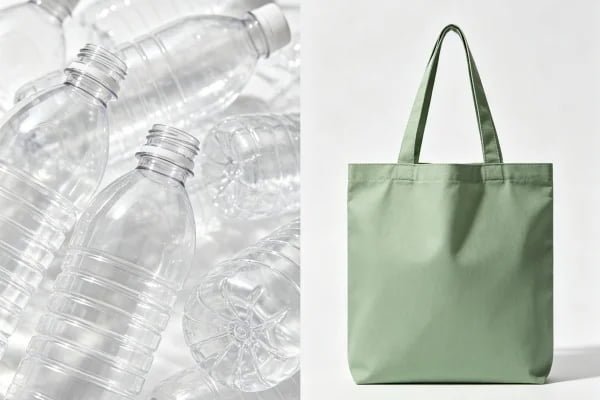
6. Recycled Eco-friendly Materials (RPET): The CSR Champion
- Core Advantages: Made from post-consumer plastic bottles, supporting circular economy goals7. Similar durability to virgin polyester but with a strong sustainability narrative.
- Main Disadvantages: Slightly higher cost than virgin polyester; color consistency can sometimes vary depending on the source material batch.
- Commercial Performance: The gold standard for eco-friendly tote bag material for corporate promotion. It aligns perfectly with CSR (Corporate Social Responsibility) initiatives and helps pass environmental compliance checks in EU/US markets.
- Best B2B Application Scenarios: Sustainability conferences, green energy company gifts, and corporate ESG reporting deliverables.
Key Selection Criteria for B2B Custom Tote Bag Bulk Orders
When finalizing your order, our factory recommends evaluating the following criteria to ensure accurate OEM ODM custom tote bag material selection:
- Procurement Budget: Determine if you need a premium gift (Canvas/Nylon) or a mass-distribution item (Non-woven/Polyester).
- Promotional Activity Frequency: Is this a one-time event or a daily-use item? Long-term use demands higher durability.
- Usage Environment: Will the bag be used outdoors? If so, prioritize waterproof capabilities found in nylon or laminated materials.
- Brand Positioning: Luxury brands should avoid cheap synthetics, while tech companies might prefer sleek, modern polyesters.
- Logo Printing Requirements: Ensure the fabric texture complements your branding method (e.g., embroidery works best on thick canvas, while sublimation suits polyester).
- Eco-Friendly Certification: For clients requiring GRS (Global Recycled Standard) certification, RPET or organic cotton is mandatory.
Common Material Selection Mistakes in Bulk Tote Bag Procurement
Through two decades of manufacturing, we have identified common pitfalls that B2B buyers often encounter:
- Blindly Pursuing Ultra-Low Cost: Opting for the cheapest GSM often results in "see-through" bags that tear immediately, wasting the entire marketing budget.
- Ignoring Scenario Matching: Using non-waterproof cotton for an outdoor music festival leads to ruined contents and unhappy attendees.
- Neglecting Printing Compatibility: Choosing a fabric that repels ink or cannot withstand the heat of transfer printing results in defective branding.
- Overlooking Long-Term Durability: Failing to reinforce stress points (like handle attachments) on heavy-duty materials defeats the purpose of buying a durable tote bag material for bulk orders.
Correction Strategy: Always request physical samples before mass production. Test the material against your specific usage environment and printing requirements.
Our Factory’s Custom Material & Craft Optimization Strengths
As a dedicated manufacturing partner, we offer more than just sewing services. Our strengths lie in our comprehensive approach to custom tote bag bulk wholesale:
- Full Material Customization: We source and stock a vast array of fabrics, from heavy-duty canvas to specialized waterproof nylons and certified eco-friendly RPET.
- Professional OEM/ODM Support: We don't just manufacture; we optimize. We can suggest structural changes—such as reinforcing handles or adding internal compartments—to enhance the functionality of your chosen material.
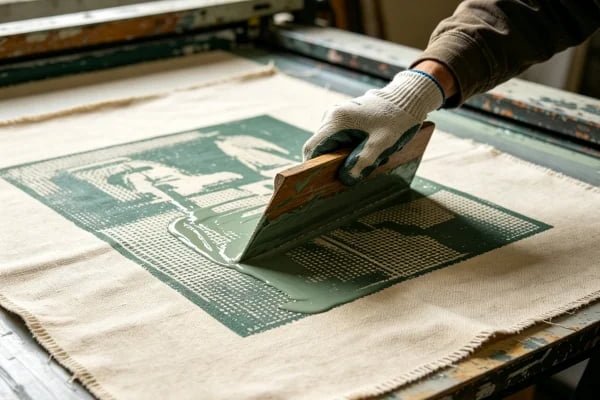
- Diversified Printing & Labeling: Whether it's silk screen, heat transfer, embroidery, or leather patch labeling, we possess the craftsmanship to ensure your logo looks pristine on any fabric.
- One-Stop Solution: From initial material matching and design proofing to mass wholesale production, we handle the entire supply chain, ensuring quality control at every step.
Conclusion & Exclusive Offer for B2B Buyers
Selecting the right material is the foundation of a successful promotional campaign. By understanding the distinct properties of canvas, cotton, polyester, non-woven, nylon, and recycled materials, you can make informed decisions that maximize both brand value and cost-efficiency. Whether you need a waterproof tote bag material comparison for outdoor events or a cost-effective tote bag material for bulk promotional giveaways, the key lies in matching the fabric to the function.
If you are ready to elevate your brand with high-quality custom bags, we invite you to leverage our 20 years of expertise.
Ready to start your project? Contact our team today to receive: A Free Material Consultation tailored to your industry. Professional OEM/ODM Custom Solution Design. Free Physical Samples for quality confirmation before mass production.
Don't let poor material choice compromise your brand image. Let us help you create tote bags that your customers will be proud to carry.
"Integrating Sustainability into Material Selection Is an Ethical and ...", https://unu.edu/article/integrating-sustainability-material-selection-ethical-and-strategic-obligation. Manufacturing engineering research identifies material selection as a primary determinant of product performance and durability across textile applications. Evidence role: expert_consensus; source type: research. Supports: the importance of material selection in manufacturing quality outcomes. ↩
"Investıgatıon of seam performance and bıodegradabılıty of organıc ...", https://pmc.ncbi.nlm.nih.gov/articles/PMC11799011/. Environmental science research confirms that natural cellulose fibers like cotton decompose under appropriate conditions, typically within months to years depending on environmental factors. Evidence role: mechanism; source type: research. Supports: biodegradation properties of natural textile fibers. Scope note: Decomposition rates vary significantly based on treatment, dyes, and environmental conditions ↩
"[PDF] Performance Properties in Fibers and Fabrics - District 2 4-H", https://d24-h.tamu.edu/files/2023/02/D2D-Performance-Properties-in-Fibers-and-Fabrics-Copy.pdf. Textile chemistry research demonstrates polyester's compatibility with disperse dyes and sublimation processes, enabling vibrant color reproduction and good colorfastness properties. Evidence role: mechanism; source type: research. Supports: dye uptake and color retention characteristics of polyester fibers. Scope note: Color performance depends on specific dye types, processing conditions, and fabric treatments ↩
"Effects of UV Stabilizers on Polypropylene Outdoors - PMC", https://pmc.ncbi.nlm.nih.gov/articles/PMC7178429/. Polymer science research confirms polypropylene's susceptibility to UV-induced chain scission and oxidative degradation, leading to reduced mechanical properties over extended environmental exposure. Evidence role: mechanism; source type: research. Supports: photodegradation and environmental weathering of polypropylene materials. Scope note: Degradation rates depend on UV intensity, temperature, humidity, and presence of stabilizing additives ↩
"Specific strength - Wikipedia", https://en.wikipedia.org/wiki/Specific_strength. Materials science research demonstrates nylon's high tensile strength relative to its density, with typical strength-to-weight ratios exceeding those of natural fibers and many other synthetic materials. Evidence role: statistic; source type: research. Supports: mechanical properties and strength characteristics of nylon fibers. Scope note: Performance varies by nylon type and specific manufacturing processes ↩
"Nylons with Applications in Energy Generators, 3D Printing and ...", https://pmc.ncbi.nlm.nih.gov/articles/PMC11173604/. Textile science research shows nylon exhibits low moisture absorption rates (typically 3-5%) compared to natural fibers, contributing to water-resistant properties in fabric applications. Evidence role: mechanism; source type: research. Supports: moisture absorption and water resistance properties of nylon fibers. Scope note: Water resistance can be affected by fabric construction, treatments, and manufacturing processes ↩
"Circular Materials and Circular Design—Review on ...", https://pmc.ncbi.nlm.nih.gov/articles/PMC8233613/. Sustainability research identifies recycled content materials like RPET as contributing to circular economy principles by extending material lifecycles and reducing virgin resource consumption. Evidence role: general_support; source type: research. Supports: the role of recycled materials in circular economy models. Scope note: Overall environmental impact depends on collection, processing, and end-of-life management systems ↩

[…] → Tote Bag Material Guide […]
[…] The Ultimate Guide to Custom Tote Bag Bulk Wholesale: Material Selection & B2B Procurement Strat… […]