
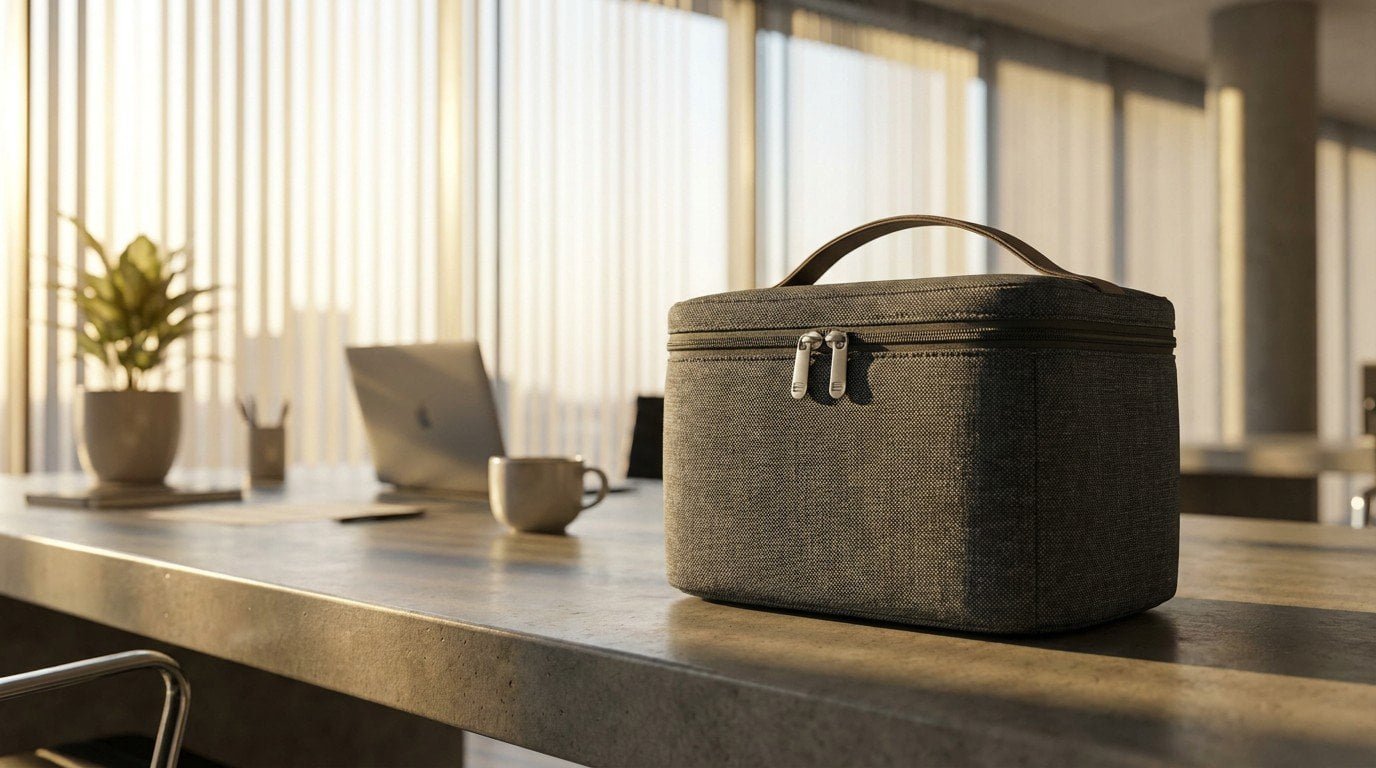
Sustainability & Performance: The 2026 Definitive Guide to Insulated Lunch Bag Procurement
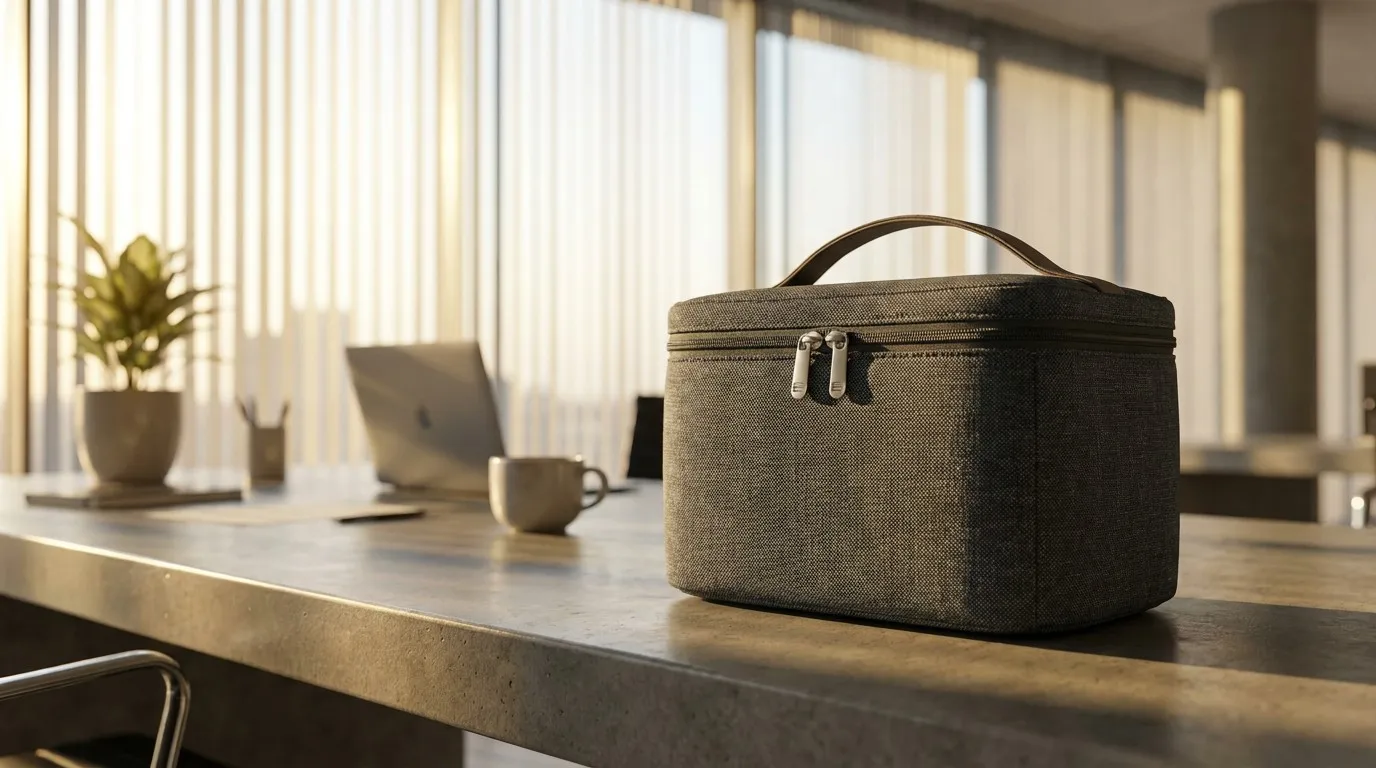
Premium Custom wholesale double deck leakproof insulated lunch bag for Global Brands
In the rapidly evolving landscape of 2026, the global demand for insulated lunch bags has shifted from mere functionality to a complex intersection of sustainability, high-performance thermal insulation, and industrial transparency. For B2B buyers, distributors, and corporate gift suppliers, sourcing the right product is no longer just about price—it’s about compliance, material science, and the scalability of the manufacturing partner. As global supply chains face increasing scrutiny over environmental impact and labor ethics, identifying a factory that balances high-volume output with rigorous quality standards is the key to long-term market success.
This guide dives deep into the technical specifications, manufacturing processes, and procurement checklists that define a high-quality insulated bag in today’s market. Whether you are looking for a custom cooler bag or a high-end office lunch bag, understanding these factors will ensure your brand remains competitive, environmentally responsible, and trusted by end consumers who are increasingly making purchasing decisions based on transparency and durability.
The Science of Sustainable Materials: Decoding RPET and GRS Standards
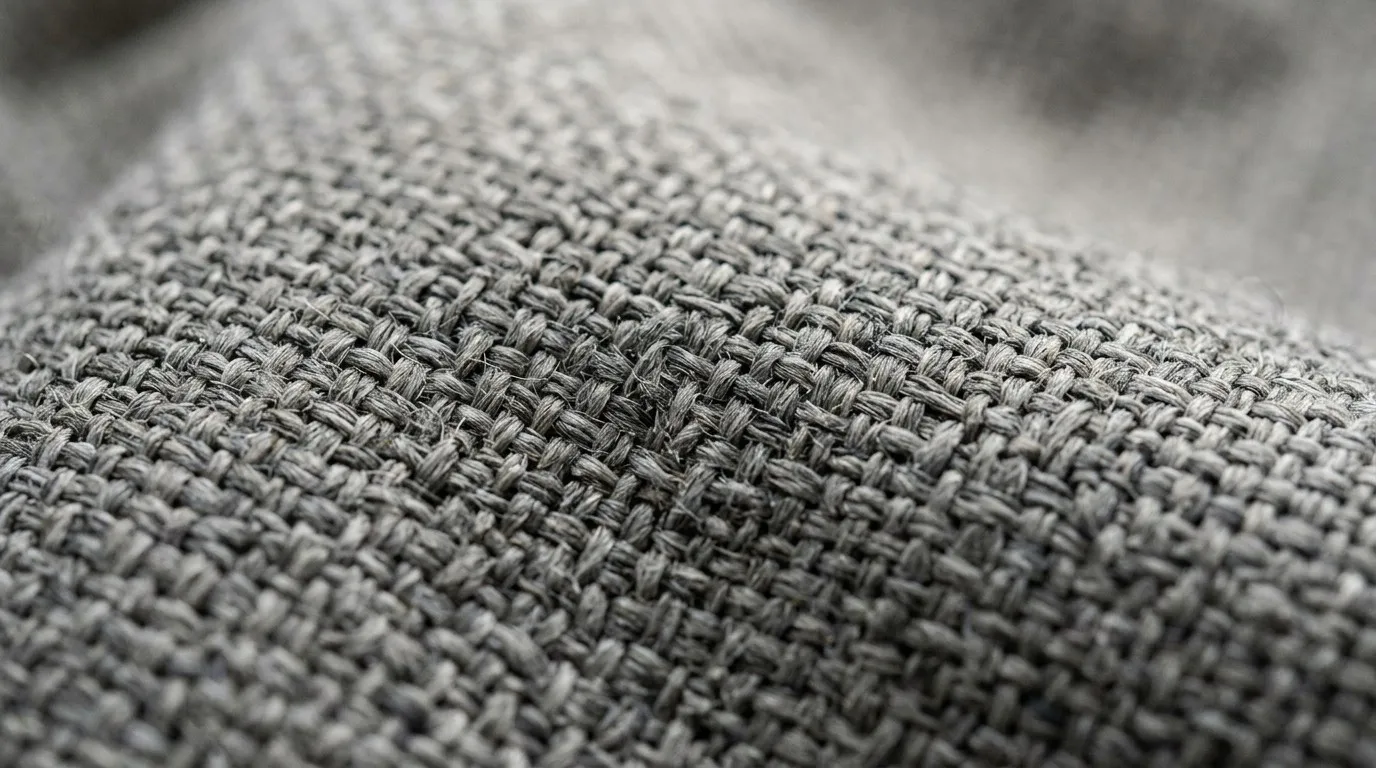
Sustainable Material Innovation: The Transition to RPET
As we move through 2026, “sustainability” is more than a buzzword—it is a procurement mandate. One of the most significant shifts in bag manufacturing is the adoption of Recycled Polyethylene Terephthalate (RPET). But what makes RPET the gold standard for eco-friendly insulated bags? To understand this, we must look at the molecular level and the lifecycle of the material.
1. What is RPET? The Molecular Journey
RPET is created by recycling post-consumer plastic bottles (PET) that would otherwise end up in landfills or polluting our oceans. The process begins with collection and sorting, followed by a rigorous cleaning phase to remove labels, caps, and any residual contents. These cleaned bottles are then crushed into plastic flakes. The flakes undergo a polymerization process where they are melted and extruded into high-strength polyester fibers.
In 2026, advanced extrusion technology allows us to create RPET fibers that are virtually indistinguishable from virgin polyester in terms of tensile strength, color vibrancy, and abrasion resistance. These fibers are woven into various weights, such as 300D, 600D, or even 1680D RPET Oxford, providing the rugged exterior needed for high-performance wholesale lunch bags.
2. The Global Recycled Standard (GRS) and Supply Chain Integrity
For B2B buyers, the GRS certification is critical. It is a comprehensive product standard that tracks and verifies the content of recycled materials in a final product. However, GRS goes beyond just the “recycled” label. It also mandates strict social and environmental requirements throughout the entire production chain. At Yiwu Kaiguang Bag Factory, we provide full GRS documentation to support our clients’ ESG goals. This include Transaction Certificates (TC) for every batch, ensuring that the “recycled” claim on your packaging is legally and ethically sound.
3. Multi-Layered Thermal Performance
Sustainability doesn’t stop at the outer fabric. A truly high-performance bag in 2026 utilizes a multi-layered approach to thermal regulation:
- Outer Layer: GRS-certified 600D RPET for water-resistance and durability.
- Insulation Core: 5mm to 10mm high-density EPE (Expanded Polyethylene) foam, which acts as a thermal barrier, reflecting heat and trapping cold air.
- Inner Lining: Food-grade, BPA-free PEVA or TPU. These materials are chosen for their non-toxic properties and ease of cleaning.
Industrial Scalability & Delivery: Behind the Scenes of High-Volume Production
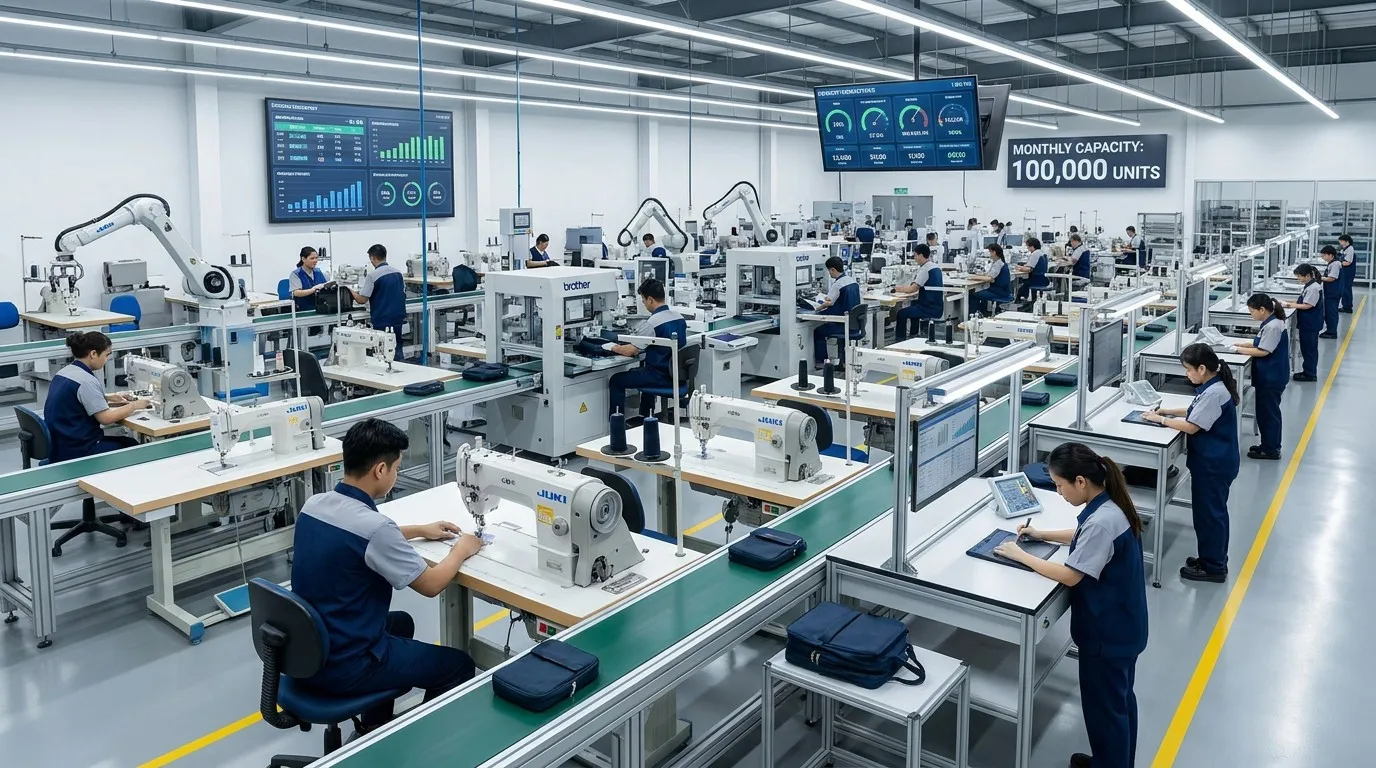
Factory Floor Efficiency: Scaling Your Brand with KG Bag Factory
When sourcing for large-scale retail or global promotional campaigns, the factory’s infrastructure is the most reliable predictor of success. Yiwu Kaiguang Bag Factory (KG Bag) has optimized its operations to meet the rigorous demands of 2026’s fast-paced supply chains. Our facility is a testament to how traditional craftsmanship meets modern industrial scale.
40+ Heavy-Duty Machines for Precision and Power
Our workshop is equipped with over 40 specialized heavy-duty sewing machines, automated laser cutting systems, and high-frequency welding units. These machines are not standard home-use equipment; they are industrial powerhouses designed to handle multi-layered materials. When you combine 600D fabric, 8mm foam, and a PEVA liner, the resulting thickness requires industrial-grade needles and motor power to ensure every stitch is locked and every seam is reinforced. This heavy-duty infrastructure allows us to maintain a monthly output of over 100,000 pieces while ensuring every single unit meets the same high standard of durability.
The 100,000 Pieces Monthly Workflow: A Deep Dive into Lean Manufacturing
Achieving a six-figure monthly capacity requires more than just machines; it requires a systematic, data-driven workflow:
- Predictive Material Planning: By integrating our supply chain with GRS-certified mills, we maintain a rolling inventory of raw materials, reducing the risk of shortages and keeping lead times consistent.
- Synchronized Production Lines: We utilize lean manufacturing principles to minimize bottlenecks. Each station—from cutting to sewing to QC—is optimized for flow. Our workers are specialists, trained to handle specific components of the bag to ensure maximum speed and minimal error.
- 3-Tier Quality Control (QC):
- Material IQC: Incoming materials are tested for color fastness, water resistance, and GRS compliance.
- In-Process QC: Random checks are performed at every 10th unit to ensure stitching tension and alignment are perfect.
- Final OQC: A final 100% manual check before packaging, focusing on zipper smooth-ness, logo placement, and internal cleanliness.
Procurement Compliance Checklist: The 2026 Standard
To assist procurement managers in navigating the complex regulatory environment of 2026, we have compiled a definitive checklist for sourcing insulated bags.
| Checkpoint | Requirement | Verification Method |
|---|---|---|
| Material Origin | Recycled Content (RPET) | GRS Certificate & TC (Transaction Certificate) |
| Chemical Safety | BPA-Free, Lead-Free, Phthalate-Free | REACH / RoHS / FDA Test Reports from Accredited Labs (SGS/TUV) |
| Leakproof Integrity | Seamless Heat-Welded Lining | 24-Hour Water Pressure Test / Static Load Test |
| Social Compliance | Ethical Labor Practices & Safety | BSCI / Sedex SMETA Audit Reports |
| Branding Durability | Non-Fading, Abrasion-Resistant Logos | Wash Fastness Test / Crockmeter Test |
| Hardware Quality | SBS or YKK Zippers, Salt-Spray Tested | Zip Durability Test (5,000+ pull cycles) |
Advanced Branding & Customization Techniques
In 2026, the bag is a mobile billboard. Whether it’s an office lunch bag or a promotional gift, your brand’s image is tied to the quality of the customization. We offer professional methods to ensure your brand stands out:
- 3D High-Frequency Embossing: This technique creates a raised, tactile logo that is fused directly into the fabric. It offers a premium feel that won’t peel or fade.
- Eco-Friendly Silk Screen Printing: We use water-based, non-toxic inks that comply with the strictest environmental regulations while maintaining vibrant color density.
- Sublimation Printing: Ideal for full-surface, complex patterns. The ink is turned into a gas and infused into the fibers, meaning the design is permanent and won’t affect the fabric’s breathability.
- Laser-Engraved Metal Hardware: Custom pullers, buckles, and rivets provide a subtle yet powerful reinforcement of brand quality.
Global Market Trends: Insulated Bags 2026-2030
Understanding where the market is going is as important as knowing where it is now. Our research indicates several key trends for the next four years:
- Hybrid Lifestyle Designs: Bags are no longer “just for lunch.” Consumers want bags that can transition from the office to the gym to a weekend hike. This is driving demand for double-deck designs and tactical-style attachments.
- Increased Personalization: The rise of direct-to-consumer (DTC) brands means factories must be able to handle “mass customization”—small batches with high variability.
- Transparency Tech: QR codes on GRS labels that allow consumers to scan and see the journey of the recycled plastic from bottle to bag.
5 Deep FAQs for Professional B2B Buyers
Q1: What is the real difference between RPET and standard 600D Polyester?
Physically, high-quality RPET 600D is virtually identical to virgin polyester in terms of tear resistance, color saturation, and water repellency. The “real” difference lies in marketability, compliance, and environmental impact. In 2026, many EU and US retailers require at least 50% recycled content to avoid carbon-related import taxes or to meet corporate sustainability mandates. RPET allows your brand to enter these regulated markets without sacrificing product longevity. From a technical standpoint, RPET is slightly more expensive due to the collection and processing costs, but the ROI in terms of brand value and market access far outweighs the initial investment.
Q2: How do you guarantee the leakproof performance of your lunch bags?
We use a specialized “Heat-Welded” (high-frequency welding) technique for the inner linings. Unlike traditional sewing, which creates needle holes where liquids can seep through, welding fuses the PEVA or TPU liner into a single, seamless waterproof tub. This is essential for leakproof lunch bags used for carrying ice packs or potentially messy food containers. We subject our welded liners to a 24-hour water-filled suspension test to ensure zero leakage before they are integrated into the final bag assembly.
Q3: What are your Minimum Order Quantities (MOQ) and lead times for custom projects?
Our standard MOQ for fully bespoke designs (custom fabric colors, unique shapes) is 500–1,000 pieces per style. However, we understand the need for market testing. We maintain a stock of “Ready-to-Brand” neutral-colored bags where we can apply your logo via heat transfer or embroidery with an MOQ as low as 200 pieces. Standard lead times for mass production are 25–35 days after sample approval, depending on the complexity of the design and the material requirements.
Q4: Can you handle door-to-door (DDP) logistics for Amazon FBA or global warehouses?
Absolutely. Navigating international shipping in 2026 requires expertise in customs, duties, and local regulations. We have established long-term partnerships with freight forwarders specializing in DDP shipping to the USA, EU, Canada, and the Middle East. We handle everything from factory loading to customs clearance and final delivery to your warehouse or Amazon fulfillment center. This “hands-off” approach allows you to focus on marketing and sales while we manage the logistical complexity.
Q5: What is your sampling process for new OEM/ODM projects?
Our sampling process is designed for speed and accuracy, typically taking 5–7 working days. You provide the design file (AI, PDF, or even a detailed sketch), and our engineering team creates a technical pattern. We then produce a physical sample using the exact materials, foam thickness, and branding methods specified in your tech pack. Once you receive and approve the sample, it serves as the “Gold Standard” for our QC team during mass production. Any adjustments needed are made in the pattern before the cutting dies are created.
Conclusion: Partnering for a sustainable Future
Choosing a manufacturing partner like Yiwu Kaiguang Bag Factory (KG Bag) means choosing nearly two decades of expertise, massive industrial capacity, and a commitment to the materials of the future. Our 40+ heavy-duty machines and 100,000-piece monthly capacity ensure that as your brand grows, your supply chain will never be the bottleneck. Whether you need a wholesale lunch bag or a specialized technical bag, we are ready to bring your vision to life with precision and care.
Ready to upgrade your product line for 2026? Contact KG Factory today for professional consulting and a personalized quote. Let’s build a sustainable future, one bag at a time.