How Quality Control Prevented a Major Outdoor Backpack Manufacturing Failure
In backpack manufacturing, quality issues rarely begin on the sewing line. More often, they originate from materials, accessories, or supplier inconsistencies long before production is completed.
Recently, while producing a 10,000-piece outdoor hiking backpack order for an overseas brand, our Incoming Quality Control (IQC) process identified a hidden material issue that could have resulted in product failures, customer complaints, and a delayed market launch.
This case highlights why a strong quality management system is just as important as production capacity when choosing a manufacturing partner.
Project Background
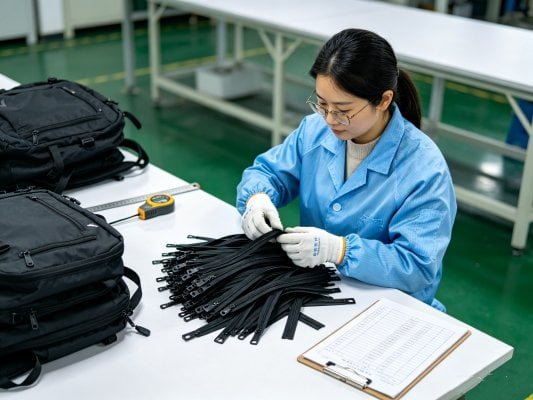
The client was preparing to launch a new outdoor backpack collection and had sourced several key accessories directly from their own nominated suppliers, including a batch of water-resistant PU-coated zippers.
After fabric cutting was completed and before the backpacks entered the sewing line, our quality team conducted a routine Incoming Quality Control (IQC) inspection according to our standard material verification procedures.
These procedures include:
- Visual appearance inspection
- Workmanship and finish inspection
- Pull-strength verification
- Material and color consistency checks
- Functional performance checks before production
During this inspection, our team discovered an issue that could have significantly affected the final product's performance and reliability.
The Problem: Inconsistent Quality Found in a Critical Component
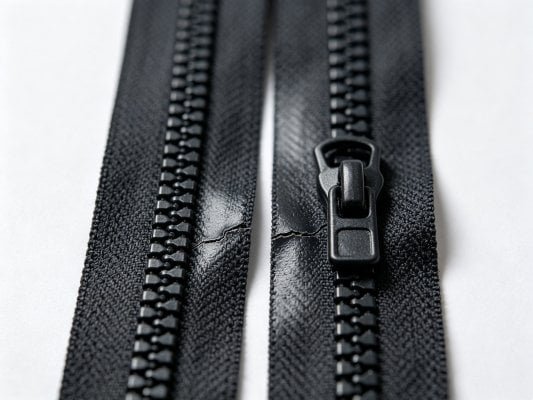
During our incoming material inspection, our QC team discovered quality inconsistencies in the client-supplied water-resistant zippers.
Several zipper samples showed minor cracking on the PU coating surface after normal operation. In addition, coating quality varied between samples within the same batch, raising concerns about long-term durability and water-resistant performance.
Potential Risks
If the issue had not been identified before production, the finished backpacks could have faced:
- Reduced water resistance
- Premature zipper wear
- Customer complaints and returns
- Negative online reviews
- Damage to the brand's reputation
Although the issue was not immediately obvious, our team determined that the batch did not meet the consistency standards required for a large-scale outdoor backpack program.
Most importantly, the issue was discovered before sewing began, preventing much larger losses later in production.
Why Early Detection Matters
Once a backpack enters mass production, replacing a defective component becomes significantly more expensive and time-consuming.
Had these zippers been sewn into finished products, corrective action would have involved:
- Reopening completed backpacks
- Replacing installed components
- Additional labor costs
- Production disruptions
- Potential shipment delays
For brands preparing for a product launch, even a small delay can impact inventory planning, marketing schedules, and customer commitments.
This is why incoming material inspection plays a critical role in backpack manufacturing. Identifying risks early is always more effective than fixing problems later.
The Response: Activating an Emergency Supply Chain Solution
Although the zipper issue originated from the client's nominated supplier rather than our factory, we immediately worked with the client to minimize the impact on the project.
1. Quality Documentation and Evidence Collection
After confirming the issue, our QC department quickly prepared:
- Inspection records
- Quality assessment reports
- High-resolution photos
- Video documentation
These materials provided the client with clear evidence when communicating with the original supplier regarding the quality concern.
2. Rapid Supplier Evaluation and Alternative Sourcing
Leveraging our established supplier network built through more than 20 years of bag manufacturing experience, we immediately contacted several qualified zipper manufacturers.
After evaluating available options, we identified a replacement zipper that:
- Matched the original specifications
- Matched the approved color requirements
- Complied with EU REACH standards
- Offered improved durability and consistency
Before approval, the replacement materials underwent the same incoming inspection procedures applied to all critical components.
3. Flexible Production Scheduling
Rather than pausing production entirely, our planning team adjusted the manufacturing schedule to keep unaffected processes moving forward.
This included:
- Internal compartment preparation
- Lining assembly
- Back panel preparation
- Sub-assembly operations
By reorganizing production priorities, we gained valuable time while waiting for the replacement materials to arrive.
The Outcome
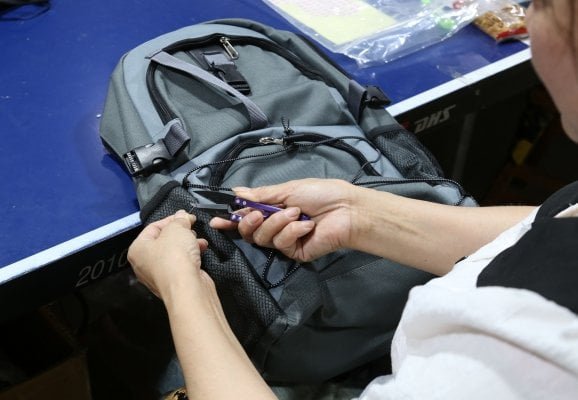
The replacement zipper batch arrived within 48 hours and successfully passed our secondary inspection.
Following approval, full production resumed immediately.
As a result:
- The order remained on schedule
- No shipment delays occurred
- Potential product quality risks were eliminated
- The client's launch timeline was protected
- All 10,000 backpacks completed final quality inspections successfully
Through coordinated planning and targeted overtime arrangements, the project was completed several days ahead of the scheduled shipping deadline.
More importantly, a potentially costly quality issue was resolved before it reached the end consumer.
What This Case Reveals About Manufacturing Partnerships
Many factories focus primarily on production output.
However, for brands operating in competitive markets, manufacturing reliability extends far beyond sewing and assembly capacity.
A dependable manufacturing partner should be able to:
- Detect material risks before production
- Maintain structured quality control procedures
- Coordinate efficiently with suppliers
- Respond quickly when unexpected issues arise
- Protect delivery schedules without compromising quality
These capabilities often determine whether a product launch proceeds smoothly or encounters costly setbacks.
Conclusion
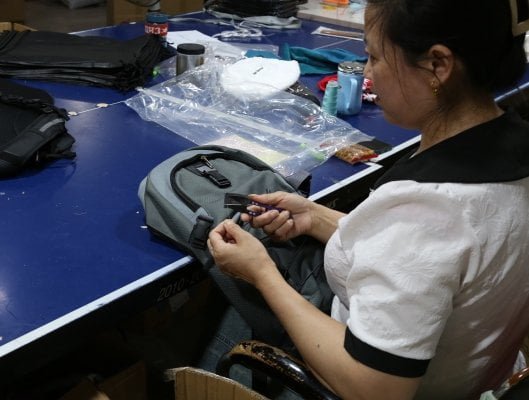
In backpack manufacturing, quality does not begin with final inspection. It starts with every material and component entering the factory.
This project demonstrates the value of a robust IQC system, an experienced quality team, and a reliable supplier network. By identifying a hidden zipper quality issue before production and implementing a practical corrective solution, we helped our client avoid unnecessary risks, protect their launch schedule, and maintain confidence in their brand.
If supply chain reliability, proactive quality management, and consistent manufacturing performance are important to your next backpack project, our team would be happy to discuss how we can support your brand's growth and manufacturing goals.
Build Your Next Best-Selling Backpack Collection
With over 20 years of OEM & ODM manufacturing experience, we help global brands develop high-quality custom backpacks for wholesale and private label markets.
We Offer
- Custom backpack design
- Material sourcing
- Logo customization
- Low MOQ
- Fast sampling
- Quality inspection
- Global export support