How Long Do Insulated Bags Keep Food Cold? B2B Buyer's Guide
Introduction: Why Cold Retention Matters for Your Brand
If you're sourcing custom cooler bags for retail, promotional campaigns, food delivery services, or outdoor brands, one question matters more than any other:
How long will the bag actually keep food cold?
The answer directly impacts:
- Customer satisfaction
- Product reviews
- Food safety
- Brand reputation
- Repeat orders
A poorly designed cooler bag can result in melted food, spoiled lunches, and disappointed customers. On the other hand, a well-engineered insulated bag becomes a reliable brand asset that customers use repeatedly.
For B2B buyers, understanding thermal performance is essential before placing a large wholesale order.
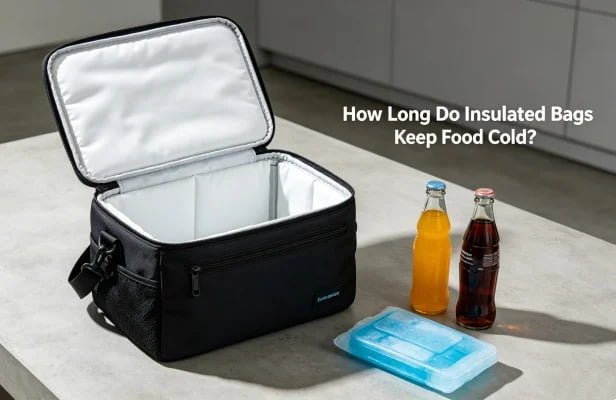
How Long Do Insulated Bags Keep Food Cold?
Under normal daily-use conditions, most insulated bags keep food cold for:
| Bag Type | Typical Cold Retention |
|---|---|
| Basic Promotional Cooler Bags | 2–4 Hours |
| Standard Insulated Lunch Bags | 4–6 Hours |
| Premium Soft Cooler Bags | 6–12+ Hours |
| Commercial Delivery Bags | 4–8+ Hours |
The actual performance depends on:
- Insulation thickness
- Foam density
- Interior lining material
- Closure system
- External temperature
- Use of ice packs
A high-quality custom cooler bag using dense EPE or EVA foam can easily outperform low-cost alternatives by several hours.
What Determines Cooling Performance?
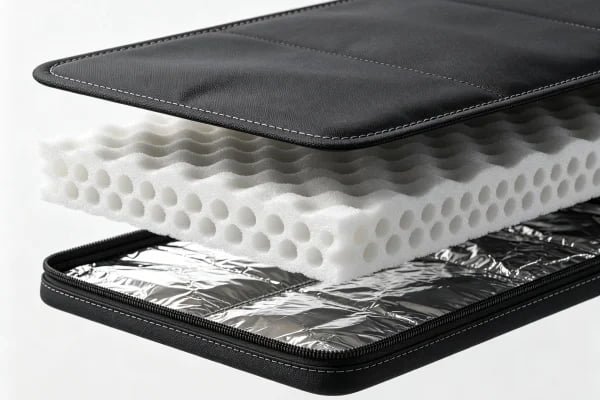
The cooling capability of an insulated bag is largely determined by its material structure.
Most professional OEM cooler bags use a three-layer insulation system designed to reduce:
- Heat conduction
- Heat convection
- Heat radiation
1. Core Insulation Foam
The insulation core is the primary barrier against temperature transfer.
Common materials include:
EPE Foam
- Lightweight
- Flexible
- Cost-effective
- Excellent thermal resistance
EVA Foam
- Higher density
- Premium feel
- Better structural stability
- Longer cooling duration
| Material | Thermal Conductivity | Performance Level |
|---|---|---|
| Standard Foam | High | Low |
| High-Density EPE | ≈0.033 W/(m·K) | Excellent |
| EVA Foam | ≈0.029 W/(m·K) | Premium |
2. Interior Thermal Lining
The inner lining reflects heat away from the food compartment.
Common options include:
Aluminum Foil
- Reflects up to 90% of radiant heat
- Cost-effective
- Widely used
PEVA Lining
- Food-grade
- Leakproof
- Easy to clean
- FDA-compliant options available
3. Exterior Fabric & Closure System
Even the best insulation can fail if warm air enters through poor sealing.
Popular shell materials include:
- 600D Polyester
- 600D Oxford Fabric
- TPU-coated fabrics
Premium cooler bags often include:
- Waterproof zippers
- Airtight closures
- Heat-welded seams
These features significantly improve temperature retention.
Budget Cooler Bags vs Premium Cooler Bags
Many buyers struggle to decide between low-cost promotional bags and premium retail-grade coolers.
Here's a quick comparison:
| Feature | Budget Cooler Bag | Premium Cooler Bag |
|---|---|---|
| Foam Thickness | 3-5mm EPE | 8-12mm EVA/EPE |
| Cooling Duration | 2-4 Hours | 6-12+ Hours |
| Leakproof Design | Partial | Full |
| Waterproof Zippers | No | Yes |
| Custom Branding | Standard | Premium |
| Target Market | Promotions | Retail & Outdoor |
Choosing the wrong specification can lead to either unnecessary costs or poor customer experience.
Real-World Applications
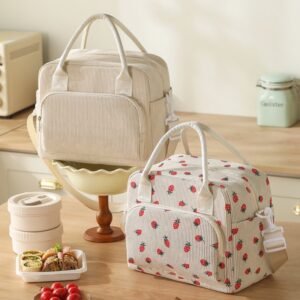
Promotional Cooler Bags
Best for:
- Corporate giveaways
- Trade shows
- Employee gifts
- Marketing campaigns
Typical retention:
2–4 hours
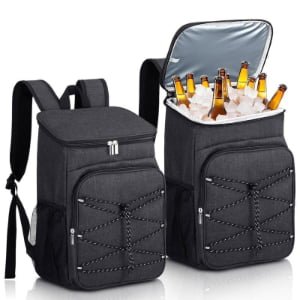
Premium Outdoor Cooler Bags
Best for:
- Camping brands
- Sporting goods retailers
- Outdoor lifestyle companies
Typical retention:
6–12+ hours
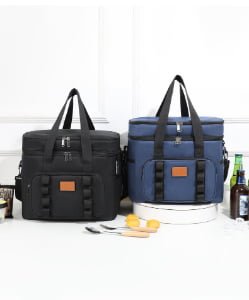
Commercial Delivery Bags
Best for:
- Food delivery companies
- Catering businesses
- Meal prep services
Typical retention:
4–8+ hours
Case Study: U.S. Promotional Products Distributor
Challenge
A promotional products distributor needed 15,000 custom branded cooler bags for a nationwide summer campaign.
Problem
Their previous supplier used low-density insulation, resulting in cooling performance of only 2–3 hours.
Customer complaints increased significantly.
Solution
The bag structure was upgraded to:
- 8mm High-Density EPE Foam
- Food-Grade PEVA Lining
- Reinforced Sealed Construction
Result
- Cooling duration improved to over 8 hours
- Customer satisfaction increased
- Repeat orders grew substantially during the following season
This demonstrates how material engineering directly affects long-term customer satisfaction.
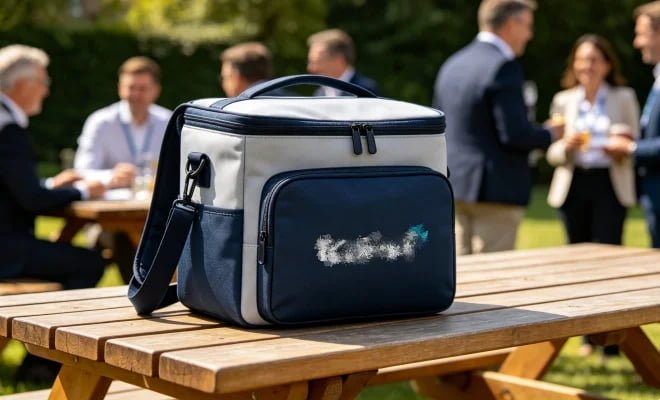
The Biggest B2B Sourcing Challenge: Thermal Performance vs Shipping Cost
Many buyers assume thicker insulation is always better.
However, thicker foam increases:
- Product weight
- Carton size
- Container volume (CBM)
- Shipping cost
The ideal solution is balancing:
✔ Thermal performance
✔ Portability
✔ Freight efficiency
Experienced OEM manufacturers can optimize construction to achieve both strong cooling performance and lower shipping costs.
Buyers Also Ask
How Long Do Cooler Bags Stay Cold With Ice Packs?
With properly frozen ice packs, premium insulated bags can maintain safe food temperatures for 8–12+ hours.
Are Soft Cooler Bags Better Than Hard Coolers?
Hard coolers offer longer ice retention.
However, soft cooler bags provide:
- Lower shipping costs
- Reduced storage space
- Better portability
- Easier customization
For most B2B applications, soft cooler bags are the preferred option.
What Is the Best Insulation Material for Cooler Bags?
For most wholesale applications:
- EPE = Best balance of cost and performance
- EVA = Best premium solution
Can Cooler Bags Be Fully Customized?
Yes.
Custom options include:
- Logo printing
- Color matching
- Fabric selection
- Interior structure
- Packaging design
- Sustainable materials
Quick Buying Guide for B2B Buyers
Choose Promotional Cooler Bags If:
- Budget is under $5/unit
- Product will be used for giveaways
- Large quantities are required
Choose Premium Cooler Bags If:
- Selling through retail channels
- Building a premium brand
- Outdoor performance matters
Choose Commercial Delivery Bags If:
- Transporting food regularly
- Temperature compliance is critical
- Multi-compartment storage is required
Why Work With Kaibag?
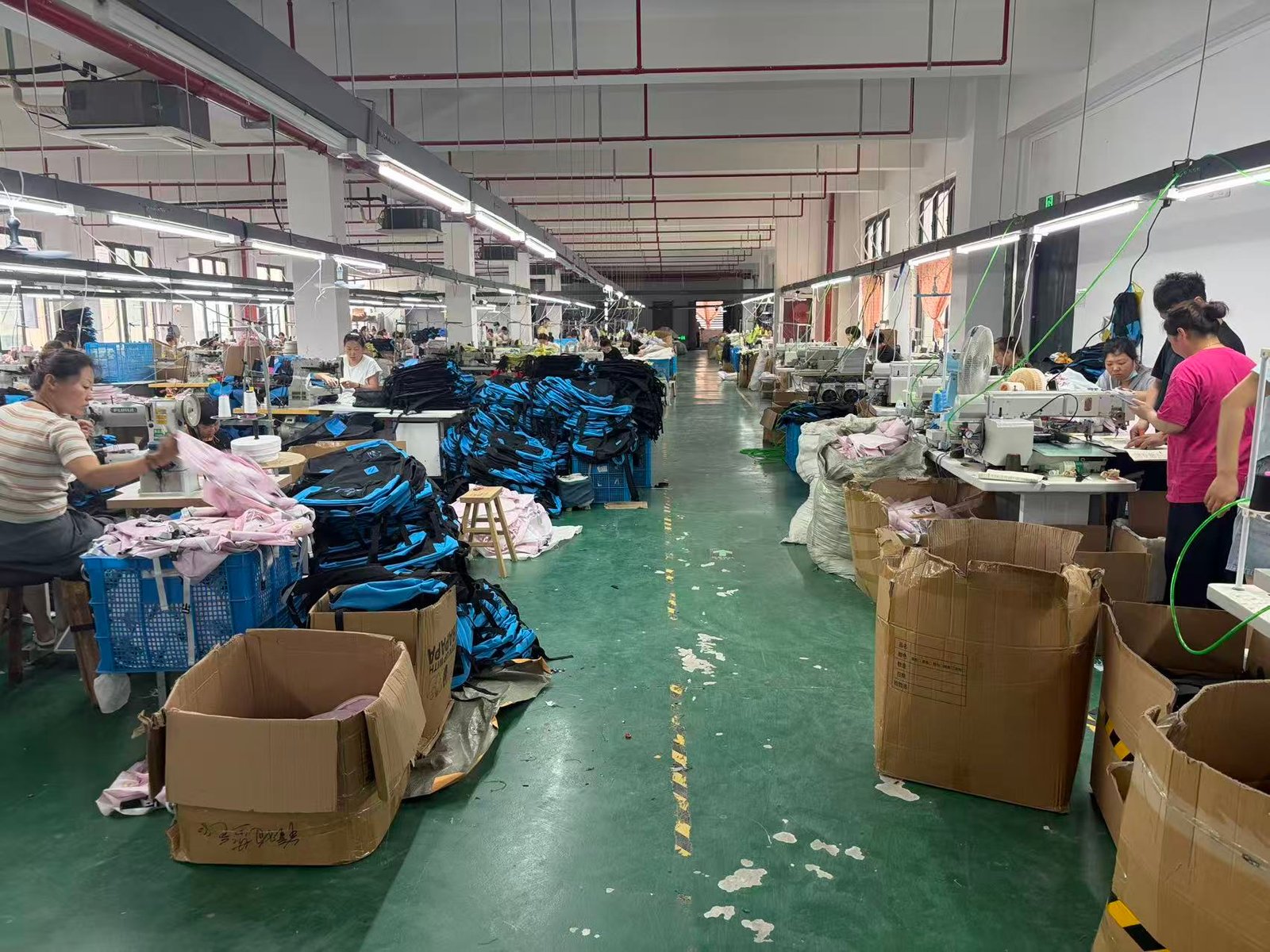
With over 20 years of OEM and ODM bag manufacturing experience, Kaibag helps global brands develop custom insulated bags that balance:
- Thermal performance
- Product durability
- Freight efficiency
- Competitive pricing
Our capabilities include:
- 100,000+ units monthly capacity
- Rapid 7-day sample development
- BSCI & SMETA audited facilities
- Custom branding solutions
- Eco-friendly RPET material options
Ready to Develop Your Custom Cooler Bag?
Need help selecting the right insulation structure for your project?
Simply send us:
✓ Target price
✓ Expected cooling duration
✓ Logo artwork
✓ Quantity requirements
Our engineering team will recommend the most cost-effective material combination and provide a customized sourcing proposal within 24 hours.
Contact us today to start your custom cooler bag project.